

Close Menu
Transforming HR Through TechnologyTransforming HR Through Technology

    Subscribe to Updates

    Stay updated with the latest insights from HRTechLogic on HR innovation, technology, and business trends.

    What's Hot

    How to Evaluate DEI & Inclusion Software for Enterprise Organizations

    February 4, 2026

    How DEI Platforms Improve Engagement, Retention, and Organizational Trust

    February 4, 2026

    Core Pillars and Practices of Effective DEI Programs

    February 4, 2026
    Facebook X (Twitter) Instagram
    • Contact Us
    • About Us
    LinkedIn RSS
    Transforming HR Through TechnologyTransforming HR Through Technology
    Subscribe
    • Recruitment & Onboarding
      • Applicant Tracking Systems (ATS)
      • Recruitment Marketing
      • Candidate Experience
      • Interviewing & Scheduling
      • Pre-Employment Testing & Assessments
      • Job Boards & Talent Marketplaces
      • Onboarding Software
      • Recruitment Analytics
      • Background Checks & Screening
    • Learning & Development
      • Learning Management Systems (LMS)
      • Learning Experience Platforms (LXP)
      • Digital Learning Platforms
      • Micro Learning
      • eLearning Authoring Tools
      • Skills Management
      • Upskilling & Reskilling
      • Leadership Development
      • Training Analytics
    • Employee Engagement & Experience
      • Employee Engagement Platforms
      • Employee Experience (EX) Platforms
      • Employee Feedback & Surveys
      • Performance Management
      • Recognition & Rewards
      • Internal Communications
      • Employee Advocacy
      • Corporate Wellness
      • DEI & Inclusion
    • Payroll, Pay & Compliance
      • Payroll Software
      • Pay Equity
      • Global Payroll
      • Compensation Management
      • Benefits Administration
      • Expense Management
      • Employment Law & Compliance
      • HR Risk & Governance
      • ESG & Workforce Compliance
    • People Analytics & Insights
      • HR Analytics Platforms
      • People Analytics
      • Workforce Analytics
      • Talent Intelligence
      • Predictive Analytics
      • Employee Data Platforms
      • Reporting & Dashboards
    • Workforce Management
      • Workforce Management Systems
      • Time & Attendance
      • Scheduling & Shift Planning
      • Absence & Leave Management
      • Workforce Planning
      • Distributed & Remote Workforce
      • Productivity Monitoring
      • Global Workforce Management
    Transforming HR Through TechnologyTransforming HR Through Technology
    Home»Recruitment & Onboarding»Recruitment Marketing»What Is Recruitment Marketing and Why It Matters in Modern Talent
    Recruitment Marketing

    What Is Recruitment Marketing and Why It Matters in Modern Talent

    AdminBy AdminJanuary 24, 2026Updated:January 26, 2026No Comments2 Mins Read
    Facebook Twitter Pinterest LinkedIn Tumblr Email
    Share
    Facebook Twitter LinkedIn Pinterest Email

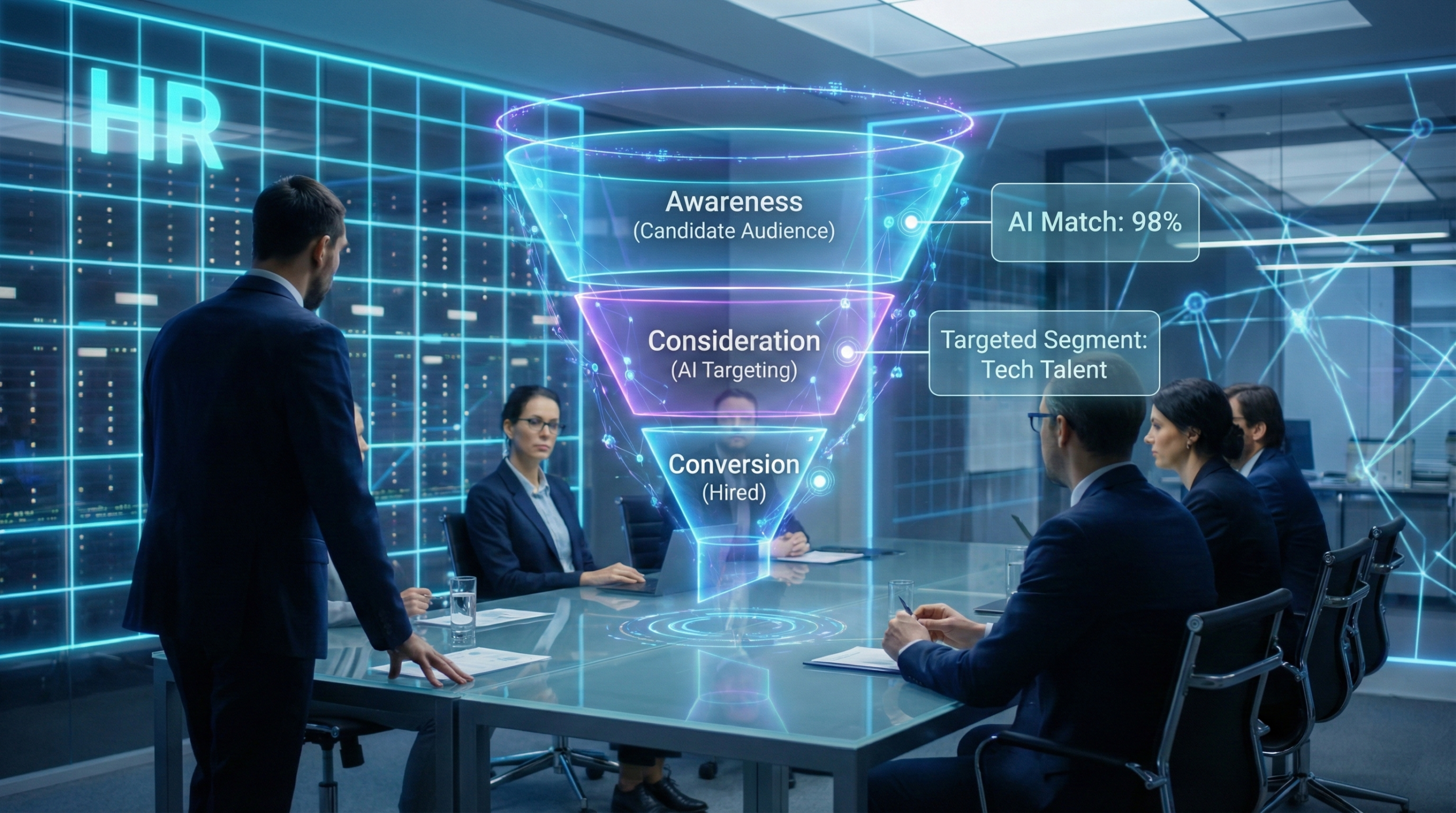
    Recruitment marketing refers to the strategic application of marketing methodologies, platforms, and engagement frameworks to attract, nurture, and convert prospective candidates into applicants. Unlike traditional recruitment, which focuses primarily on job advertising and selection, recruitment marketing extends further upstream into talent brand building, audience segmentation, targeted communication, content automation, and pipeline development. As labor markets become more competitive, candidates increasingly behave like informed consumers who evaluate potential employers long before applying. Recruitment marketing addresses this shift by positioning talent acquisition as a continuous engagement function rather than a reactive hiring activity.

    At its core, recruitment marketing integrates brand, content, and distribution. Employer value propositions (EVPs), culture messaging, and career growth narratives are crafted and deployed across multiple channels including social platforms, career sites, job boards, community initiatives, and talent networks. Content formats may include employee testimonials, workplace videos, role spotlights, benefit summaries, and mission-driven storytelling that differentiate the organization in competitive hiring markets. By presenting transparent and authentic insights into the employee experience, recruitment marketing influences candidate perception and interest long before a requisition opens.

    Audience segmentation is a critical component. Different roles, locations, and functions require tailored messaging. Technical talent, for example, responds to content about product innovation, autonomy, and learning opportunities, while hourly talent values scheduling stability, location proximity, and competitive pay. Recruitment marketing tools enable segmentation via channel-based targeting, CRM workflows, and analytics that inform campaign performance. Some organizations employ nurturing sequences that mirror B2B demand generation strategies, tracking engagement metrics and identifying high-intent talent.

    Recruitment marketing also plays a key role in pipeline development. Instead of waiting for applications to appear once a job is posted, talent networks and talent communities allow organizations to cultivate passive candidates and reduce time-to-fill for future roles. CRM platforms designed for talent acquisition support these efforts by managing candidate relationships, automating communication, and enabling campaign reactivation when new opportunities arise.

    From an operational standpoint, recruitment marketing has measurable performance outcomes. Organizations track cost-per-applicant (CPA), conversion rates, quality-of-apply, drop-off rates, funnel velocity, and brand sentiment signals. When executed effectively, recruitment marketing reduces reliance on expensive sourcing channels, improves applicant quality, and strengthens employer brand perception over time.

    Ultimately, recruitment marketing transforms how organizations compete for talent by shifting hiring from reactive to proactive engagement. In a labor market where visibility, differentiation, and experience matter, recruitment marketing has become a strategic pillar for modern talent acquisition teams.

    Candidate Engagement Employer Branding EVP HR Marketing Recruitment Marketing Talent Attraction
    Share. Facebook Twitter Pinterest LinkedIn Tumblr Email
    Admin
    • Website

    Related Posts

    How Employee Advocacy Platforms Drive Recruitment, Engagement, and Brand Trust

    February 4, 2026

    What Is Employee Advocacy and Why It Matters for Employer Branding

    February 1, 2026

    How Improving Candidate Experience Increases Offer Acceptance and Talent Quality

    January 24, 2026
    Add A Comment
    Leave A Reply Cancel Reply

    Recent Posts

    • How to Evaluate DEI & Inclusion Software for Enterprise Organizations
    • How DEI Platforms Improve Engagement, Retention, and Organizational Trust
    • Core Pillars and Practices of Effective DEI Programs
    • What Is DEI & Inclusion and Why It Is a Strategic Business Priority
    • How to Evaluate Corporate Wellness Platforms for Enterprise Organizations
    Top Reviews

    How Employee Advocacy Platforms Drive Recruitment, Engagement, and Brand Trust

    By Admin

    What Is Employee Advocacy and Why It Matters for Employer Branding

    By Admin

    How Improving Candidate Experience Increases Offer Acceptance and Talent Quality

    By Admin
    Editors Picks

    How Employee Advocacy Platforms Drive Recruitment, Engagement, and Brand Trust

    February 4, 2026

    What Is Employee Advocacy and Why It Matters for Employer Branding

    February 1, 2026

    How Improving Candidate Experience Increases Offer Acceptance and Talent Quality

    January 24, 2026

    Key Components of a High-Quality Candidate Experience

    January 24, 2026
    Transforming HR Through Technology
    LinkedIn RSS
    • Home
    • About Us
    • Contact Us
    © 2026 Designed by HRTECHLogic.

    Type above and press Enter to search. Press Esc to cancel.