


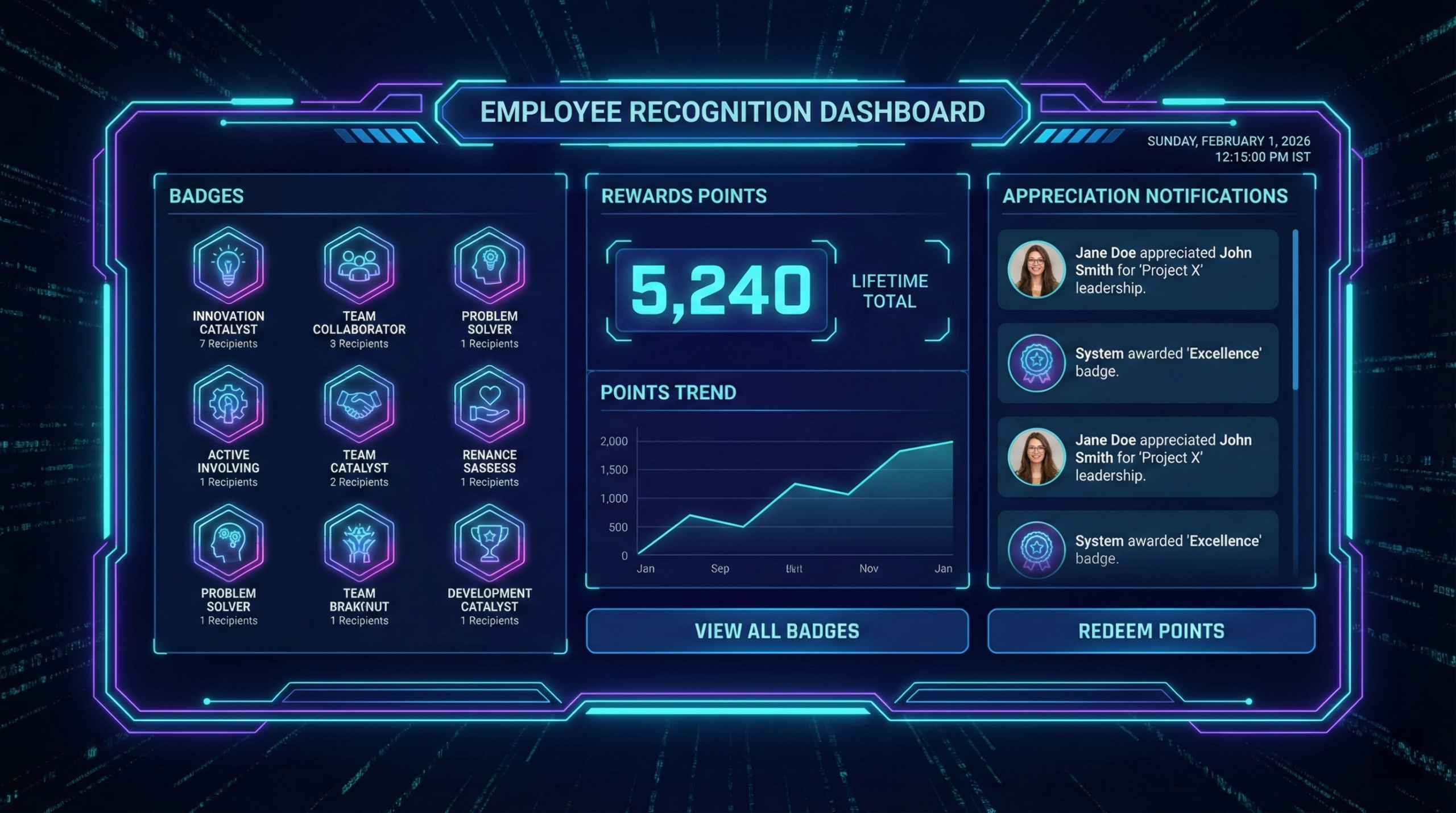
Employee recognition and rewards programs are structured initiatives designed to acknowledge, reinforce, and incentivize positive employee behaviors, achievements, and contributions. Recognition focuses on appreciation and acknowledgment, while rewards typically include tangible benefits such as bonuses, points, gifts, or benefits. Together, they play a critical role in shaping workplace culture, motivation, and performance.
In modern organizations, recognition has evolved from occasional awards to continuous, peer-driven, and values-based programs. Employees expect timely acknowledgment for contributions that align with organizational goals, customer outcomes, and collaboration. Digital recognition platforms enable organizations to scale appreciation across distributed and hybrid teams.
Recognition directly impacts engagement. According to Gallup research (https://www.gallup.com), employees who feel adequately recognized are significantly more engaged and productive. Recognition satisfies fundamental psychological needs such as belonging, purpose, and validation.
Rewards reinforce desired behaviors by creating clear links between effort and outcomes. When rewards align with organizational values—such as innovation, teamwork, customer focus, or leadership—they help embed culture into daily work. Modern reward programs emphasize flexibility, allowing employees to choose rewards that matter most to them.
Recognition and rewards also influence retention. Employees who feel undervalued are more likely to disengage or leave. Consistent recognition strengthens emotional connection and reduces turnover risk.
In competitive labor markets, recognition programs enhance employer brand by demonstrating commitment to employee wellbeing and appreciation. They also support performance management by reinforcing behaviors between formal review cycles.
Ultimately, recognition and rewards are not perks—they are strategic tools that drive engagement, performance, and cultural alignment.
