


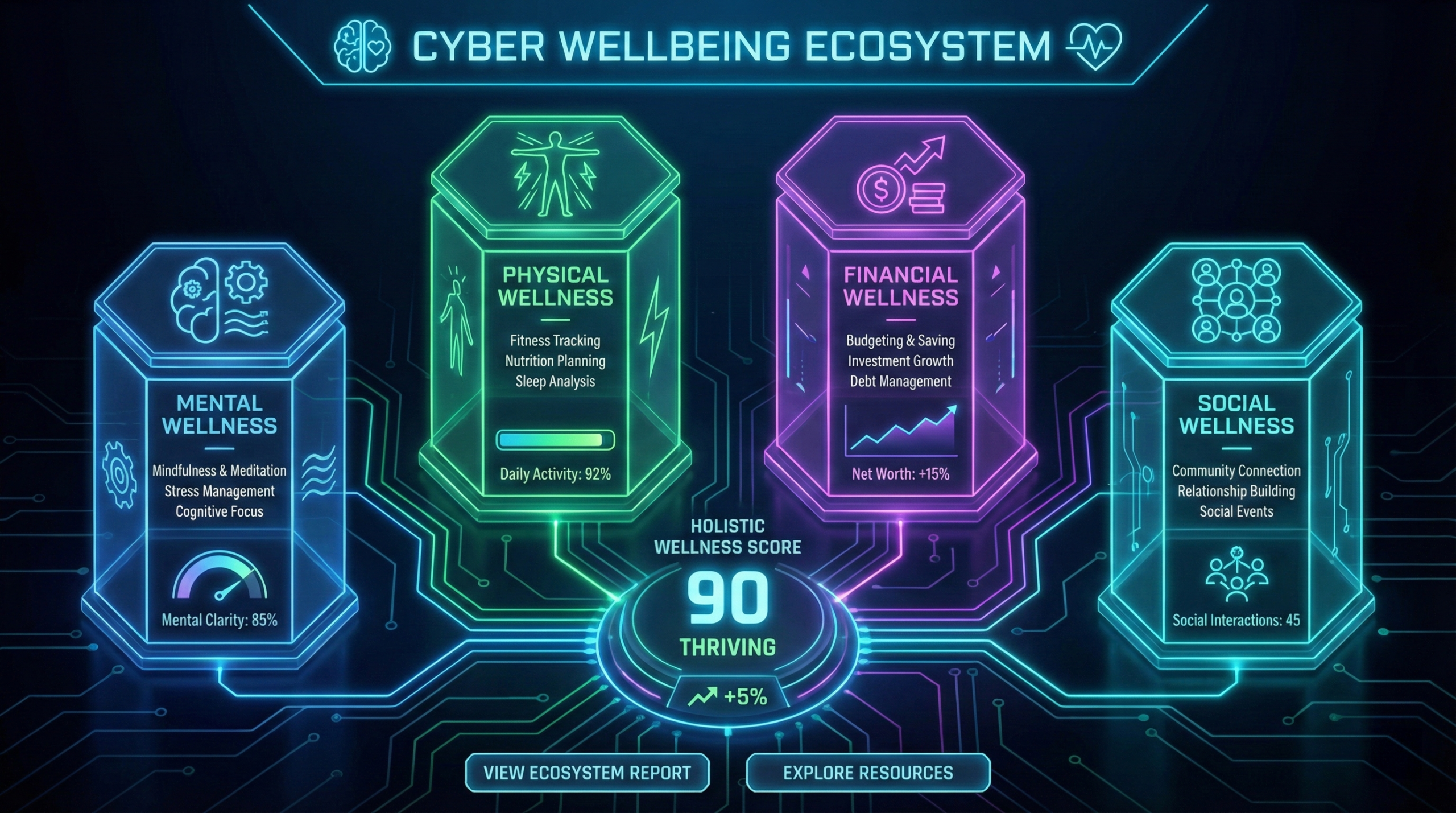
Effective corporate wellness programs are comprehensive, inclusive, and accessible. Mental health support is a core component, including counseling, therapy access, stress management tools, and burnout prevention initiatives.
Physical wellbeing programs promote activity, ergonomics, preventive care, and healthy habits. These may include fitness challenges, ergonomic assessments, or health screenings.
Financial wellbeing programs address financial stress through education, planning tools, and benefits guidance. Financial stress is a leading contributor to anxiety and disengagement.
Social wellbeing initiatives foster connection and belonging through community activities, peer support, and inclusive practices. These are especially important in remote environments.
Wellness analytics allow organizations to measure participation, outcomes, and impact. According to Deloitte (https://www.deloitte.com), data-driven wellness programs are more effective and sustainable.
Successful wellness programs integrate wellbeing into daily work culture rather than treating it as a separate initiative.
