


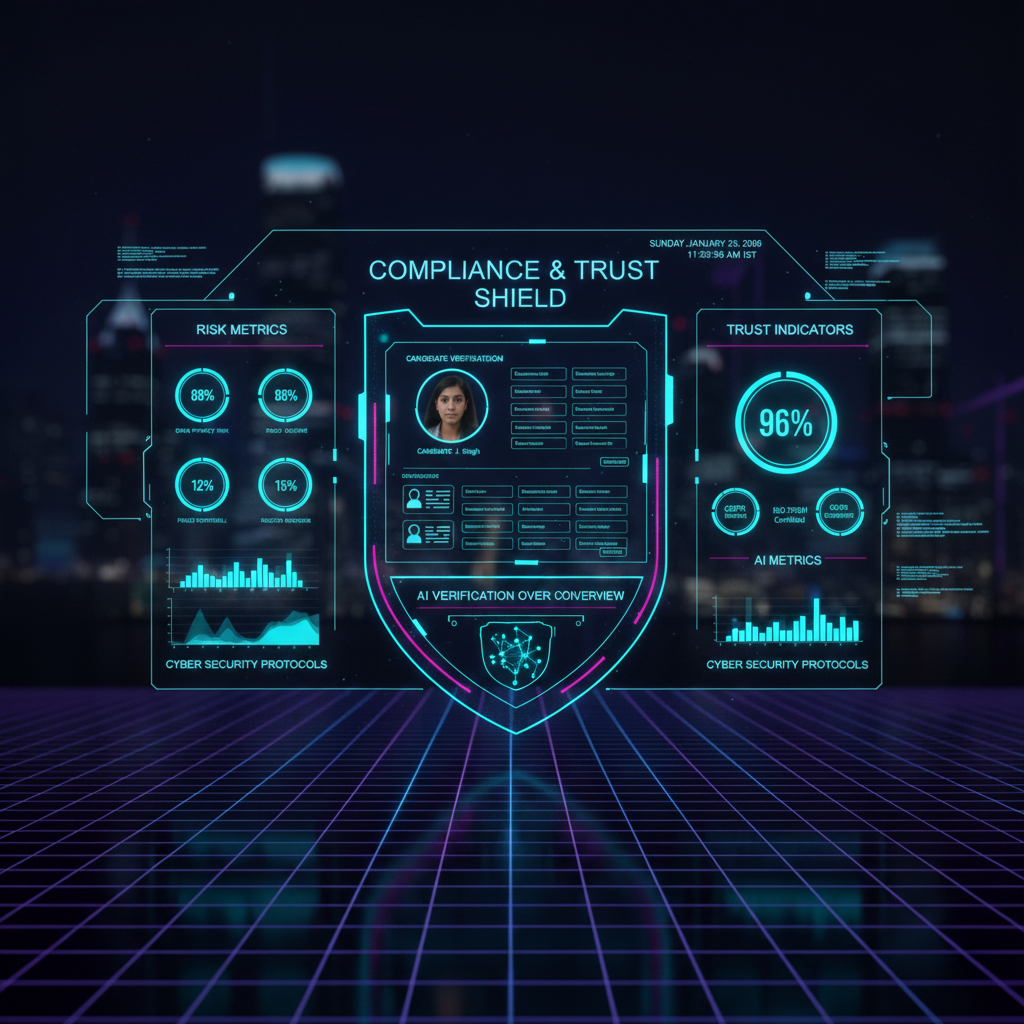
Background screening platforms help organizations reduce hiring-related risk by providing structured verification systems that identify discrepancies, criminal history, credential inaccuracies, and compliance gaps before onboarding occurs. In regulated industries, background screening is not merely best practice—it is mandated for operational compliance. Even in non-regulated environments, screening platforms protect against reputational and legal exposure.
Hiring without verification introduces risk across several categories. Safety risk arises when individuals with violent or fraudulent histories enter roles with vulnerable populations or sensitive assets. Compliance risk emerges when organizations fail to meet statutory screening obligations or documentation standards. Financial risk arises from fraud or mishandled resources. Reputational risk surfaces when inadequate screening leads to public incidents or negative media exposure.
Screening platforms centralize verification workflows and documentation, enabling HR teams to manage consent, data requests, and status updates in a unified system. Automation reduces manual follow-up, increases speed, and enhances completion accuracy. Platforms often integrate with ATS and onboarding systems to trigger screening once offers are extended, reducing administrative overhead and improving pipeline predictability.
Modern screening platforms improve hiring integrity by validating candidate claims. Resume inflation and credential exaggeration are common, particularly in competitive labor markets. Verification ensures alignment between claimed qualifications and documented records, improving quality-of-hire and reducing early turnover driven by skills mismatch.
Global expansion and remote hiring have increased demand for multi-jurisdiction screening. Platforms with global capabilities manage region-specific data access, privacy compliance, and language localization. They also navigate regulatory frameworks such as GDPR (EU), FCRA (US), and evolving privacy legislation in APAC and LATAM markets.
From an ROI standpoint, screening platforms provide value through risk mitigation rather than direct cost reduction. Avoiding a single high-impact compliance incident or mis-hire can justify platform investment. Risk-adjusted workforce management also strengthens trust among clients, regulators, and internal stakeholders.
Ultimately, screening platforms improve workforce safety, protect organizational reputation, support regulatory compliance, and strengthen the integrity of hiring decisions.
