


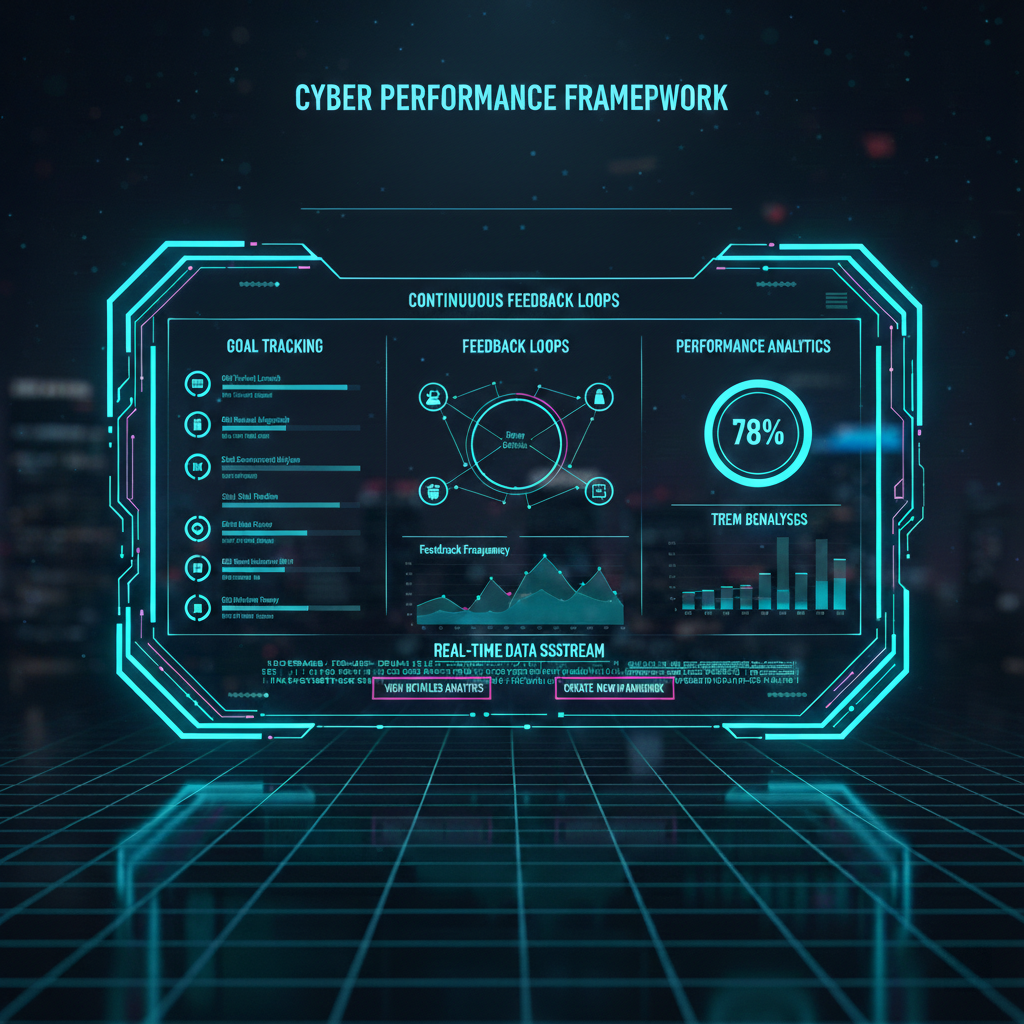
Modern performance management systems consist of several integrated components that replace outdated annual review models. These components support continuous improvement, transparency, and alignment with business strategy.
Goal management is the foundation. Employees and managers collaboratively define goals aligned with organizational priorities. Many organizations adopt OKRs (Objectives and Key Results) or KPI frameworks to ensure measurable outcomes. Clear goal alignment improves focus and execution.
Continuous feedback replaces once-a-year evaluations. Regular check-ins, peer feedback, and real-time recognition allow employees to adjust performance quickly. According to SHRM (https://www.shrm.org), continuous feedback models significantly improve engagement and performance outcomes.
Performance reviews still exist but are supported by data rather than memory. Review cycles summarize progress, challenges, and development needs using tracked goals and feedback history.
Coaching and development planning are critical components. Performance systems increasingly integrate development plans, learning recommendations, and skill assessments to support growth rather than punishment.
Performance analytics provide insight into trends across teams and roles. Managers can identify performance gaps, high performers, and systemic blockers. Analytics also support fair and unbiased decision-making.
Integration with learning, engagement, and compensation systems strengthens performance outcomes. When performance data connects to learning paths and rewards, employees see a clear link between effort and growth.
Together, these components transform performance management into a continuous, data-driven, and people-centric system.
