

Close Menu
Transforming HR Through TechnologyTransforming HR Through Technology

    Subscribe to Updates

    Stay updated with the latest insights from HRTechLogic on HR innovation, technology, and business trends.

    What's Hot

    How to Evaluate DEI & Inclusion Software for Enterprise Organizations

    February 4, 2026

    How DEI Platforms Improve Engagement, Retention, and Organizational Trust

    February 4, 2026

    Core Pillars and Practices of Effective DEI Programs

    February 4, 2026
    Facebook X (Twitter) Instagram
    • Contact Us
    • About Us
    LinkedIn RSS
    Transforming HR Through TechnologyTransforming HR Through Technology
    Subscribe
    • Recruitment & Onboarding
      • Applicant Tracking Systems (ATS)
      • Recruitment Marketing
      • Candidate Experience
      • Interviewing & Scheduling
      • Pre-Employment Testing & Assessments
      • Job Boards & Talent Marketplaces
      • Onboarding Software
      • Recruitment Analytics
      • Background Checks & Screening
    • Learning & Development
      • Learning Management Systems (LMS)
      • Learning Experience Platforms (LXP)
      • Digital Learning Platforms
      • Micro Learning
      • eLearning Authoring Tools
      • Skills Management
      • Upskilling & Reskilling
      • Leadership Development
      • Training Analytics
    • Employee Engagement & Experience
      • Employee Engagement Platforms
      • Employee Experience (EX) Platforms
      • Employee Feedback & Surveys
      • Performance Management
      • Recognition & Rewards
      • Internal Communications
      • Employee Advocacy
      • Corporate Wellness
      • DEI & Inclusion
    • Payroll, Pay & Compliance
      • Payroll Software
      • Pay Equity
      • Global Payroll
      • Compensation Management
      • Benefits Administration
      • Expense Management
      • Employment Law & Compliance
      • HR Risk & Governance
      • ESG & Workforce Compliance
    • People Analytics & Insights
      • HR Analytics Platforms
      • People Analytics
      • Workforce Analytics
      • Talent Intelligence
      • Predictive Analytics
      • Employee Data Platforms
      • Reporting & Dashboards
    • Workforce Management
      • Workforce Management Systems
      • Time & Attendance
      • Scheduling & Shift Planning
      • Absence & Leave Management
      • Workforce Planning
      • Distributed & Remote Workforce
      • Productivity Monitoring
      • Global Workforce Management
    Transforming HR Through TechnologyTransforming HR Through Technology
    Home»Recruitment & Onboarding»Background Checks & Screening»What Are Background Checks and Why They Matter in Hiring
    Background Checks & Screening

    What Are Background Checks and Why They Matter in Hiring

    AdminBy AdminJanuary 25, 2026No Comments2 Mins Read
    Facebook Twitter Pinterest LinkedIn Tumblr Email
    Share
    Facebook Twitter LinkedIn Pinterest Email

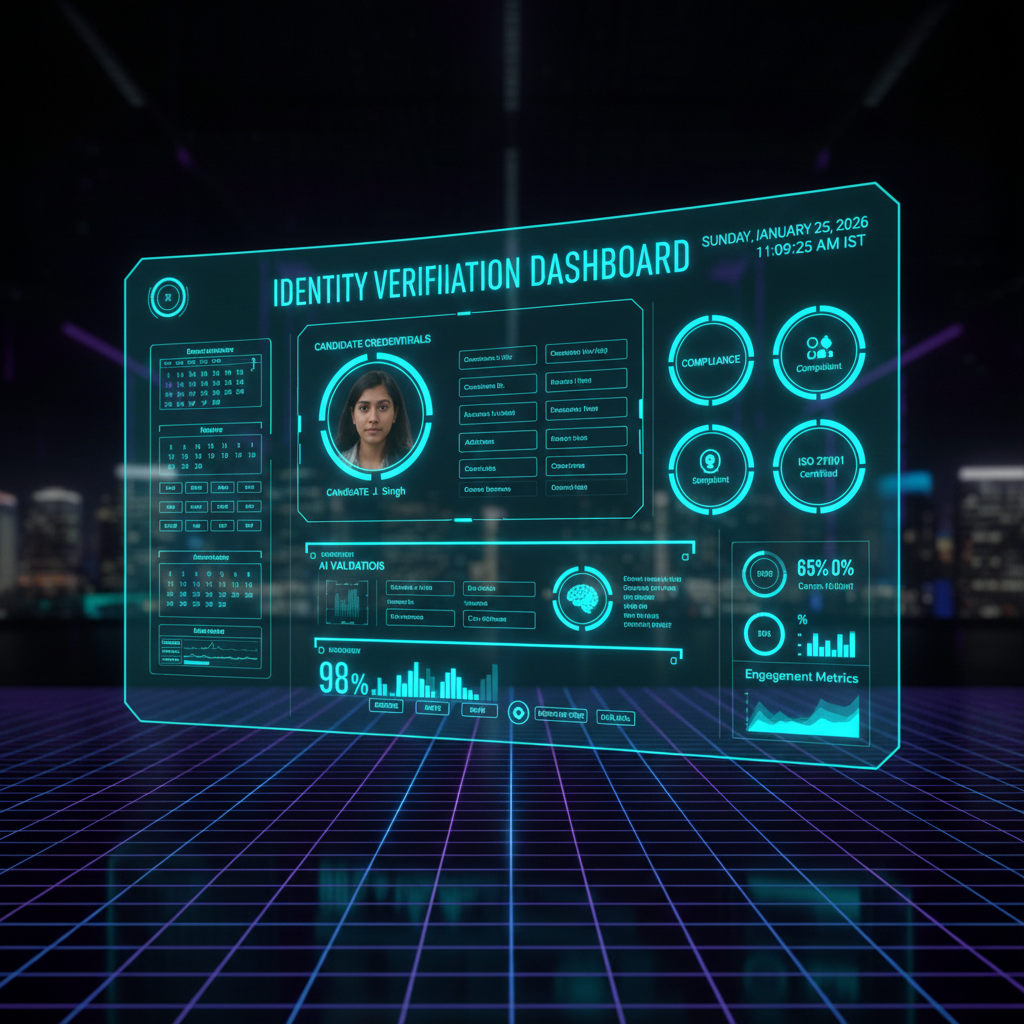
    Background checks are a critical component of the hiring process, designed to verify candidate identity, employment history, education, professional credentials, criminal records, and other data relevant to role suitability and organizational risk. While hiring decisions traditionally focus on skill and performance fit, background checks provide an additional layer of due diligence that protects organizations from legal, operational, financial, and reputational harm. As workforce models become increasingly global and remote, background checks play an expanded role in validating distributed talent and reducing hiring risk.

    Background screening verifies factual information submitted by candidates. Employment verification confirms work history, job titles, and performance claims. Education verification ensures academic credentials are legitimate and aligns with role requirements. Professional license verification validates certifications in domains such as healthcare, finance, legal services, or engineering, where legal compliance depends on credentialed expertise.

    Criminal background checks assess risk for roles involving safety, financial access, or regulatory responsibility. While not all roles require criminal screening, industries such as healthcare, education, logistics, public safety, and financial services mandate compliance with specific screening standards. Motor vehicle record checks are frequently used for transportation, logistics, and field-based roles to ensure legal driving compliance.

    Reference checks provide qualitative insights from former supervisors or colleagues about performance, behavior, and collaboration. Credit checks are sometimes used for financial roles, though regulatory frameworks and fairness considerations influence their applicability.

    Globalization has expanded the complexity of background screening. Remote hiring enables organizations to recruit across multiple jurisdictions, each with unique privacy laws, regulatory frameworks, and data availability constraints. This has increased demand for compliance-driven screening providers capable of handling multi-country verification.

    Candidate experience is also a consideration. Historically, background checks created delays late in the hiring cycle, sometimes causing candidate drop-off or offer reneges. Modern platforms address this by digitizing consent workflows, sustaining transparency, and accelerating data delivery. Compliance requirements such as FCRA (in the U.S.) and GDPR (in Europe) ensure candidate rights are protected during screening, reinforcing the need for structured legal alignment.

    Ultimately, background checks help organizations ensure workplace safety, compliance, and integrity. When executed responsibly, they complement performance evaluation and reduce hiring risk without undermining fair hiring practices.

    Background Screening Compliance Credential Verification Employment Verification Global Hiring Workforce Safety
    Share. Facebook Twitter Pinterest LinkedIn Tumblr Email
    Admin
    • Website

    Related Posts

    Selecting Recruitment Analytics Solutions: Key Evaluation Criteria for Talent Leaders

    January 25, 2026

    How Recruitment Analytics Platforms Improve Talent Decisions and Reduce Hiring Costs

    January 25, 2026

    Key Metrics in Recruitment Analytics and What They Reveal About Hiring Health

    January 25, 2026
    Add A Comment
    Leave A Reply Cancel Reply

    Recent Posts

    • How to Evaluate DEI & Inclusion Software for Enterprise Organizations
    • How DEI Platforms Improve Engagement, Retention, and Organizational Trust
    • Core Pillars and Practices of Effective DEI Programs
    • What Is DEI & Inclusion and Why It Is a Strategic Business Priority
    • How to Evaluate Corporate Wellness Platforms for Enterprise Organizations
    Top Reviews

    Selecting Recruitment Analytics Solutions: Key Evaluation Criteria for Talent Leaders

    By Admin

    How Recruitment Analytics Platforms Improve Talent Decisions and Reduce Hiring Costs

    By Admin

    Key Metrics in Recruitment Analytics and What They Reveal About Hiring Health

    By Admin
    Editors Picks

    Selecting Recruitment Analytics Solutions: Key Evaluation Criteria for Talent Leaders

    January 25, 2026

    How Recruitment Analytics Platforms Improve Talent Decisions and Reduce Hiring Costs

    January 25, 2026

    Key Metrics in Recruitment Analytics and What They Reveal About Hiring Health

    January 25, 2026

    What Is Recruitment Analytics and How It Enhances Hiring Performance

    January 25, 2026
    Transforming HR Through Technology
    LinkedIn RSS
    • Home
    • About Us
    • Contact Us
    © 2026 Designed by HRTECHLogic.

    Type above and press Enter to search. Press Esc to cancel.