

Close Menu
Transforming HR Through TechnologyTransforming HR Through Technology

    Subscribe to Updates

    Stay updated with the latest insights from HRTechLogic on HR innovation, technology, and business trends.

    What's Hot

    How to Evaluate DEI & Inclusion Software for Enterprise Organizations

    February 4, 2026

    How DEI Platforms Improve Engagement, Retention, and Organizational Trust

    February 4, 2026

    Core Pillars and Practices of Effective DEI Programs

    February 4, 2026
    Facebook X (Twitter) Instagram
    • Contact Us
    • About Us
    LinkedIn RSS
    Transforming HR Through TechnologyTransforming HR Through Technology
    Subscribe
    • Recruitment & Onboarding
      • Applicant Tracking Systems (ATS)
      • Recruitment Marketing
      • Candidate Experience
      • Interviewing & Scheduling
      • Pre-Employment Testing & Assessments
      • Job Boards & Talent Marketplaces
      • Onboarding Software
      • Recruitment Analytics
      • Background Checks & Screening
    • Learning & Development
      • Learning Management Systems (LMS)
      • Learning Experience Platforms (LXP)
      • Digital Learning Platforms
      • Micro Learning
      • eLearning Authoring Tools
      • Skills Management
      • Upskilling & Reskilling
      • Leadership Development
      • Training Analytics
    • Employee Engagement & Experience
      • Employee Engagement Platforms
      • Employee Experience (EX) Platforms
      • Employee Feedback & Surveys
      • Performance Management
      • Recognition & Rewards
      • Internal Communications
      • Employee Advocacy
      • Corporate Wellness
      • DEI & Inclusion
    • Payroll, Pay & Compliance
      • Payroll Software
      • Pay Equity
      • Global Payroll
      • Compensation Management
      • Benefits Administration
      • Expense Management
      • Employment Law & Compliance
      • HR Risk & Governance
      • ESG & Workforce Compliance
    • People Analytics & Insights
      • HR Analytics Platforms
      • People Analytics
      • Workforce Analytics
      • Talent Intelligence
      • Predictive Analytics
      • Employee Data Platforms
      • Reporting & Dashboards
    • Workforce Management
      • Workforce Management Systems
      • Time & Attendance
      • Scheduling & Shift Planning
      • Absence & Leave Management
      • Workforce Planning
      • Distributed & Remote Workforce
      • Productivity Monitoring
      • Global Workforce Management
    Transforming HR Through TechnologyTransforming HR Through Technology
    Home»Recruitment & Onboarding»Pre-Employment Testing & Assessments»What Are Pre-Employment Assessments and Why Organizations Use Them
    Pre-Employment Testing & Assessments

    What Are Pre-Employment Assessments and Why Organizations Use Them

    AdminBy AdminJanuary 25, 2026Updated:January 25, 2026No Comments2 Mins Read
    Facebook Twitter Pinterest LinkedIn Tumblr Email
    Share
    Facebook Twitter LinkedIn Pinterest Email

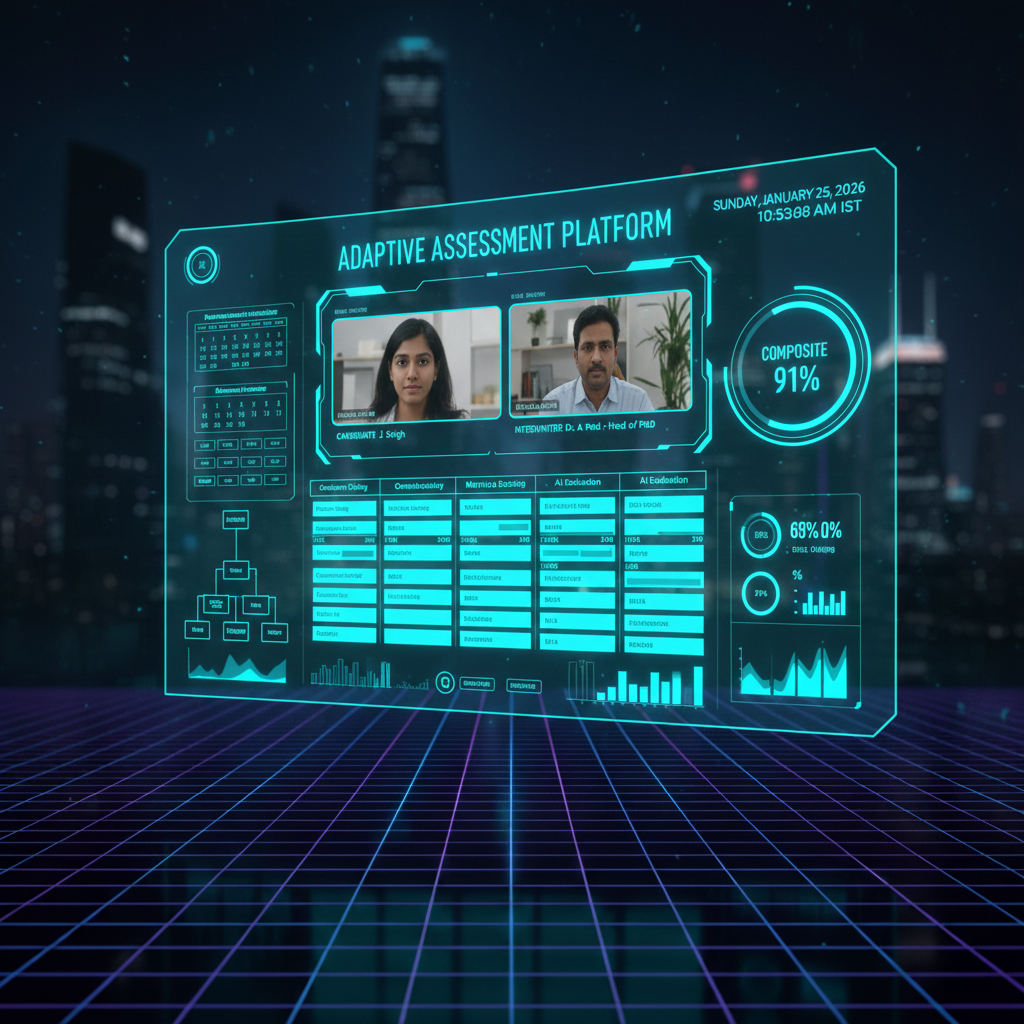
    Pre-employment assessments are standardized evaluation tools used to measure candidate skills, abilities, personality traits, or job-relevant competencies prior to making hiring decisions. Their purpose is to provide objective data that complements resumes and interviews, helping organizations make more accurate and fair hiring decisions. In modern hiring environments, where talent complexity has increased and performance expectations have become more specialized, assessments serve as a critical layer for validating candidate capability and predicting job success.

    Assessments come in multiple categories including cognitive ability tests, skills assessments, personality inventories, behavioral assessments, job simulations, situational judgment tests (SJTs), technical coding challenges, language proficiency exams, and physical ability tests. Each type targets specific competencies. For example, cognitive tests measure problem-solving and reasoning ability; coding tests assess technical proficiency; SJTs evaluate decision-making within workplace scenarios; and job simulations replicate real-world tasks to observe performance.

    Organizations adopt assessments to reduce hiring risk. Traditional interviews can be subjective and vary significantly between interviewers. Assessments standardize evaluation and provide quantifiable data aligned with job performance indicators. Research in industrial-organizational psychology consistently shows that structured assessments yield stronger predictive validity compared to unstructured interviews alone. When assessments are properly constructed and validated, they improve quality of hire, reduce turnover, and enhance organizational performance.

    Assessment timing varies by hiring stage. Some employers use lightweight assessments early to reduce screening volume, while others apply skills assessments later for role differentiation. In technical hiring, pre-screen coding challenges filter for baseline ability; in call center or customer support roles, simulations test communication and emotional regulation. In leadership hiring, assessments may examine strategic thinking, cognitive agility, and behavioral tendencies.

    Candidate experience remains an important consideration. Assessments must balance rigor with usability to avoid driving candidate attrition. Lengthy or irrelevant assessments can lead to dropout, especially in high-demand roles. Modern platforms address this through adaptive testing, shorter modules, gamification, and mobile compatibility.

    Compliance and fairness are also central. Validated assessments must avoid adverse impact and align with employment law requirements. Organizations must ensure tools are job-related, documented, and consistently administered.

    Ultimately, pre-employment assessments provide organizations with a more reliable foundation for hiring decisions, enabling increased predictive accuracy and reduced bias across diverse hiring environments.

    Industrial-Organizational Psychology Job Simulations Pre-Employment Assessments Predictive Hiring Talent Evaluation
    Share. Facebook Twitter Pinterest LinkedIn Tumblr Email
    Admin
    • Website

    Related Posts

    Selecting Recruitment Analytics Solutions: Key Evaluation Criteria for Talent Leaders

    January 25, 2026

    How Recruitment Analytics Platforms Improve Talent Decisions and Reduce Hiring Costs

    January 25, 2026

    Key Metrics in Recruitment Analytics and What They Reveal About Hiring Health

    January 25, 2026
    Add A Comment
    Leave A Reply Cancel Reply

    Recent Posts

    • How to Evaluate DEI & Inclusion Software for Enterprise Organizations
    • How DEI Platforms Improve Engagement, Retention, and Organizational Trust
    • Core Pillars and Practices of Effective DEI Programs
    • What Is DEI & Inclusion and Why It Is a Strategic Business Priority
    • How to Evaluate Corporate Wellness Platforms for Enterprise Organizations
    Top Reviews

    Selecting Recruitment Analytics Solutions: Key Evaluation Criteria for Talent Leaders

    By Admin

    How Recruitment Analytics Platforms Improve Talent Decisions and Reduce Hiring Costs

    By Admin

    Key Metrics in Recruitment Analytics and What They Reveal About Hiring Health

    By Admin
    Editors Picks

    Selecting Recruitment Analytics Solutions: Key Evaluation Criteria for Talent Leaders

    January 25, 2026

    How Recruitment Analytics Platforms Improve Talent Decisions and Reduce Hiring Costs

    January 25, 2026

    Key Metrics in Recruitment Analytics and What They Reveal About Hiring Health

    January 25, 2026

    What Is Recruitment Analytics and How It Enhances Hiring Performance

    January 25, 2026
    Transforming HR Through Technology
    LinkedIn RSS
    • Home
    • About Us
    • Contact Us
    © 2026 Designed by HRTECHLogic.

    Type above and press Enter to search. Press Esc to cancel.