


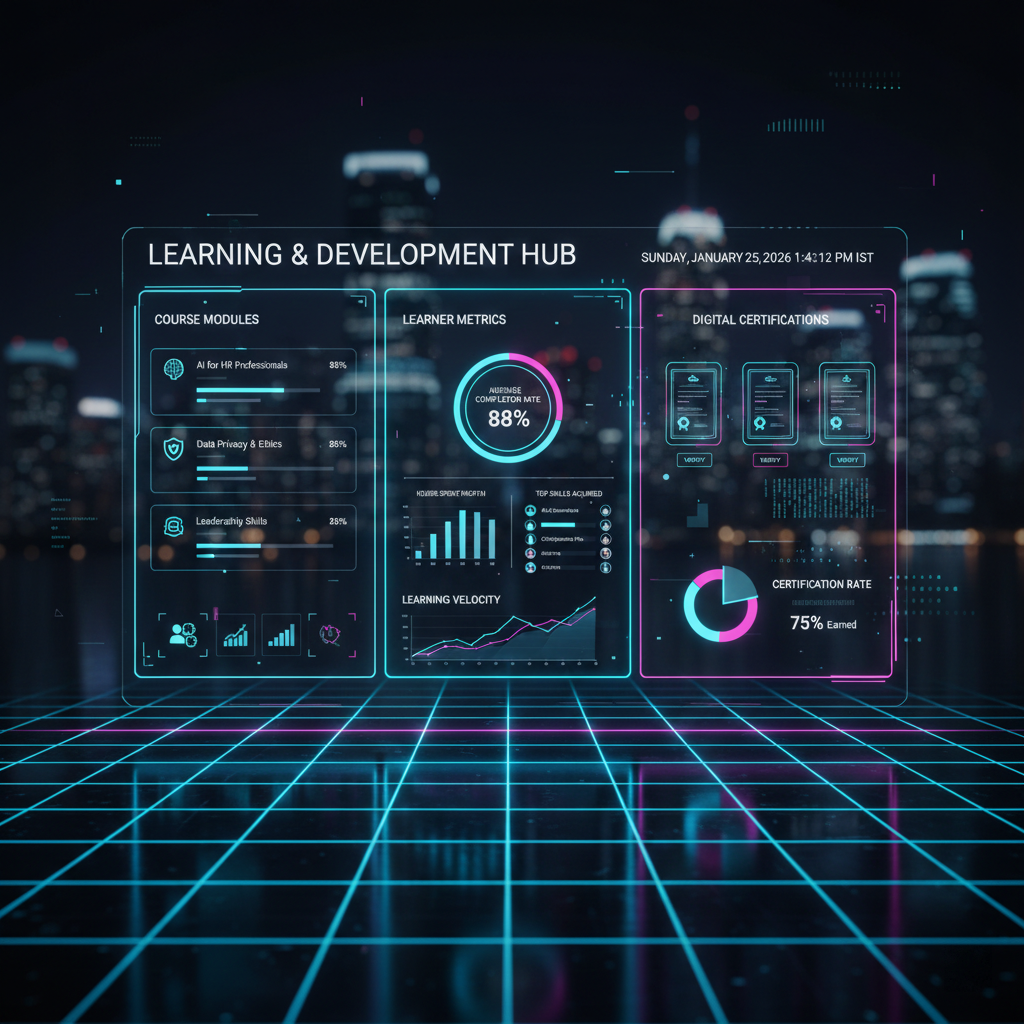
A Learning Management System (LMS) is a software platform that centralizes the creation, delivery, tracking, and management of training and educational programs within organizations. LMS platforms serve as the backbone of corporate learning ecosystems, enabling scalable training across employee populations, business units, and geographic locations. As companies increasingly invest in continuous learning, compliance education, and upskilling initiatives, LMS systems have become foundational to workforce development strategies.
An LMS allows training administrators and instructional designers to upload or create learning content, assign courses to specific audiences, and monitor completion and performance metrics. Course formats may include video modules, interactive lessons, assessments, quizzes, certifications, and competency-based pathways. LMS systems also streamline compliance and regulatory learning requirements by automating certification renewals, audit documentation, and training reminders.
One of the major advantages of LMS platforms is scalability. Traditional in-person training methods require manual coordination, physical sessions, and limited instructor capacity. LMS systems allow organizations to push training to distributed and remote workforces at any scale without degrading consistency or quality. This capability is especially relevant for global organizations and frontline industries such as retail, logistics, and healthcare.
Tracking and reporting functions are central to LMS value. Administrators can view learner progress, completion rates, assessment performance, skill proficiency, and compliance status through dashboards and exported reports. Such insights allow organizations to measure training effectiveness, identify learning gaps, and inform talent development strategy.
Integrations extend LMS functionality. LMS systems often connect with HRIS, performance management, onboarding, and content libraries, enabling unified learning experiences and talent data visibility. Modern LMS platforms may also integrate with Learning Experience Platforms (LXPs), authoring tools, and skills intelligence engines to support more personalized and adaptive learning.
As learning becomes more central to workforce competitiveness, LMS platforms remain foundational infrastructure for delivering structured learning at scale.
