


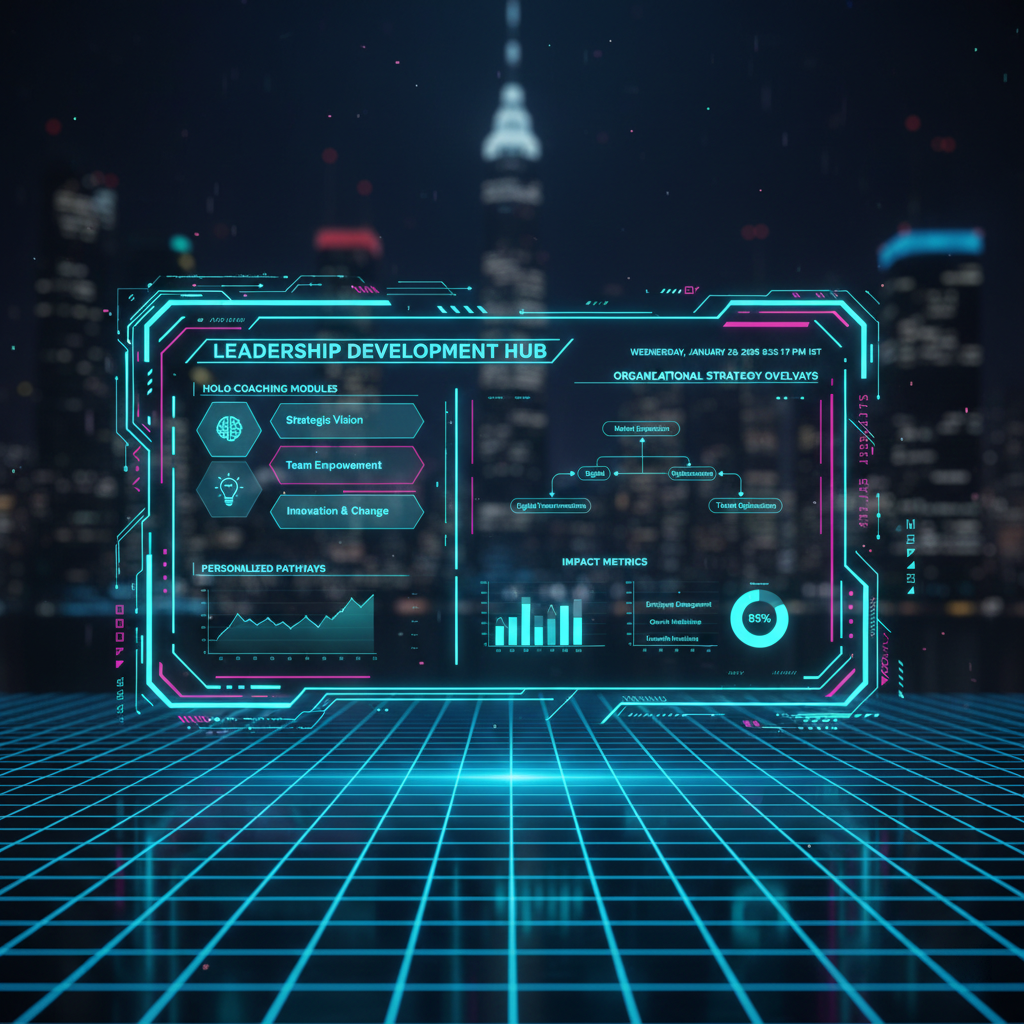
Leadership development refers to the systematic process of building leadership competencies within an organization to improve decision-making, strategic execution, workforce performance, and cultural health. Leadership development programs target current leaders as well as emerging talent pools to ensure a continuous pipeline of competent leaders capable of guiding teams through complexity, change, and competitive pressures.
Modern leadership development extends beyond traditional managerial training. It encompasses emotional intelligence, critical thinking, communication, change leadership, coaching, strategic planning, and problem-solving. With globalization and digital transformation reshaping work, leaders must also navigate distributed teams, diverse stakeholders, data-driven environments, and accelerated market dynamics.
Leadership development is critical for succession planning. Organizations without structured leadership pipelines risk capability gaps when senior leaders retire, move, or transition. Proactive leadership development ensures continuity and reduces time-to-transition for newly appointed leaders.
Culturally, leadership influences engagement, motivation, psychological safety, and inclusion. Employees are more likely to stay and perform in environments where leaders demonstrate empathy, transparency, empowerment, and accountability.
From a strategic standpoint, leadership development acts as a multiplier. Effective leaders translate strategy into execution, influence workforce alignment, and drive operational performance. Without capable leadership, strategy often fails at the execution layer.
Collectively, leadership development strengthens organizational resilience, talent retention, and enterprise competitiveness by preparing individuals to guide teams through uncertainty and change.
