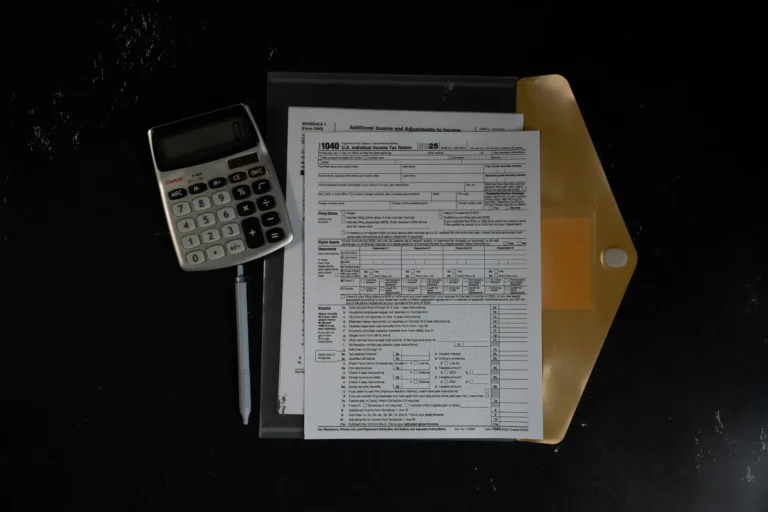
Good payroll management is often invisible: people receive the right pay on time and never need to ask how it happened. Behind that experience is a predictable calendar, accurate information, and a team that can deal with exceptions without turning every pay run into a rescue effort.
Protect the cutoff from constant negotiation
Publish what is needed, who supplies it, and when it must arrive. Then make the consequences of a late change clear. If every request is treated as urgent, the team loses the time needed to check the whole payroll properly.
Keep a route for genuine exceptions. An urgent correction affecting someone’s ability to meet a payment should not disappear behind a rigid process. The distinction is between a controlled exception and a habit of accepting incomplete inputs without review.
A calendar the whole team can work to
Set deadlines for hours, variable pay, employee changes, review, approval, and release. Explain what happens when information arrives late. The calendar should show dependencies and owners, not only payday.
Check coverage for holidays and staff absence. A critical approval should not depend on one person being available without a documented backup.
Control the inputs
Define the authorized source for employee status, pay rates, time, deductions, and bank details. Require the appropriate approvals and effective dates. Keep changes traceable so a reviewer can understand why this cycle differs from the last.
Connect the process to payroll integrations where information moves automatically. Manual and automated inputs both need validation.
Review with a clear checklist
- Reconcile the expected employee population.
- Investigate unusual movements and rejected records.
- Check starters, leavers, and retroactive adjustments.
- Confirm that approved changes reached the calculation.
- Record the final approval and any unresolved exceptions.
A matching total can conceal offsetting errors. Use employee-level payroll reconciliation to check who is affected and why.
For US operations, use the payroll compliance checklist alongside the US Department of Labor recordkeeping guidance recordkeeping reference. Obtain appropriate advice for the full set of requirements that applies to your workforce and jurisdictions.
Plan for errors before they happen
Give employees a clear way to raise a pay query. Define who investigates, how urgent corrections are approved, and how the employee is kept informed. Distinguish the immediate correction from the work needed to prevent a recurrence.
Keep an exception log with the cause and corrective action. Repeated errors may come from a confusing form, a missing approval, or an inconsistent integration mapping rather than the payroll engine itself.
Use each cycle to improve the next
Review processing time, corrections, late inputs, and employee queries. Choose a small number of recurring problems to fix. Validate the improvement in later cycles instead of closing an issue when a change is merely announced.
Use payroll automation to reduce well-understood repetitive work. If a provider is involved, use the outsourcing checklist to keep handoffs explicit. A reliable operation is one the team can explain, monitor, and recover, including when a payroll cycle does not go to plan.
Review the cause after fixing the payment
When something goes wrong, help the employee first and keep them informed. Then trace the cause: incorrect source data, late approval, configuration, or a handoff that failed. A correction without that follow-up leaves the same problem waiting for next month.
Look for patterns across cycles. Several small adjustments caused by the same form can create more work than one obvious system incident. Give HR and managers a short, practical account of the changes that would prevent the repeat. Payroll should not have to absorb every upstream weakness indefinitely simply because it knows how to make the numbers come out right.
Updated October 4, 2026.