Top Features Every Modern HRMS Platform Should Offer
As organizations adopt digital HR solutions, choosing the right Human Resource Management System (HRMS) becomes a critical decision. Modern HRMS platforms provide a wide range of features designed to simplify HR processes, improve workforce management, and enhance employee experiences.
One of the most essential features of any HRMS is employee information management. The system should provide a centralized database where HR teams can store and manage employee profiles, contact information, job roles, and performance records.
Another important feature is payroll management. A modern HRMS should automate payroll calculations, tax deductions, and salary payments. This ensures accurate compensation and reduces the risk of payroll errors.
Attendance and leave management are also critical components of HRMS platforms. These systems allow organizations to track employee attendance, manage leave requests, and monitor working hours. Automated attendance tracking improves transparency and simplifies workforce scheduling.
Recruitment management tools are another valuable feature. HRMS platforms often include applicant tracking systems that allow HR teams to post job openings, screen candidates, schedule interviews, and manage the hiring process.
Performance management capabilities are also essential. HRMS systems should allow managers to set goals, conduct performance reviews, and track employee progress over time.
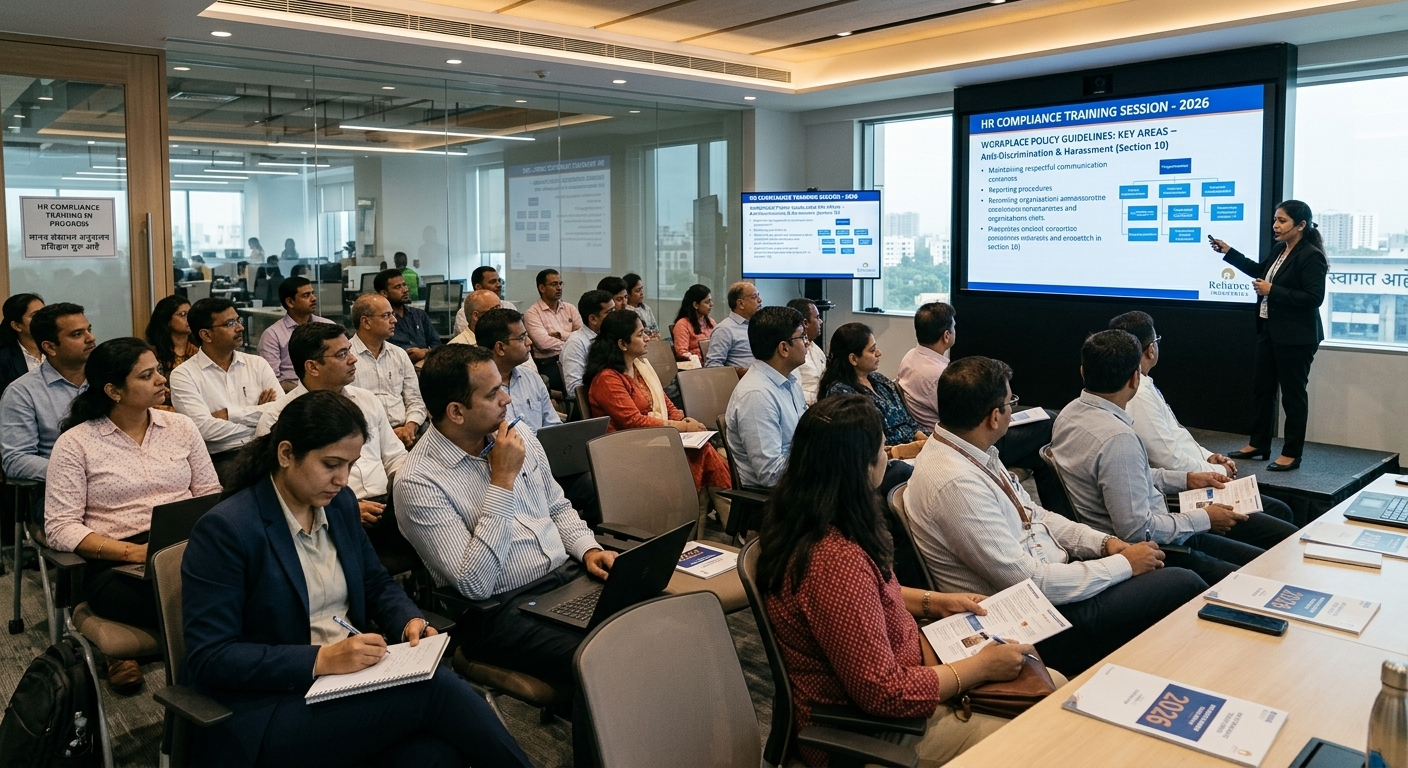
Training and development modules are becoming increasingly common in modern HRMS platforms. These modules enable organizations to assign training programs, track employee skill development, and support continuous learning.
Employee self-service portals further enhance HRMS functionality. These portals allow employees to access HR services such as payroll information, leave requests, and company policies without contacting HR directly.
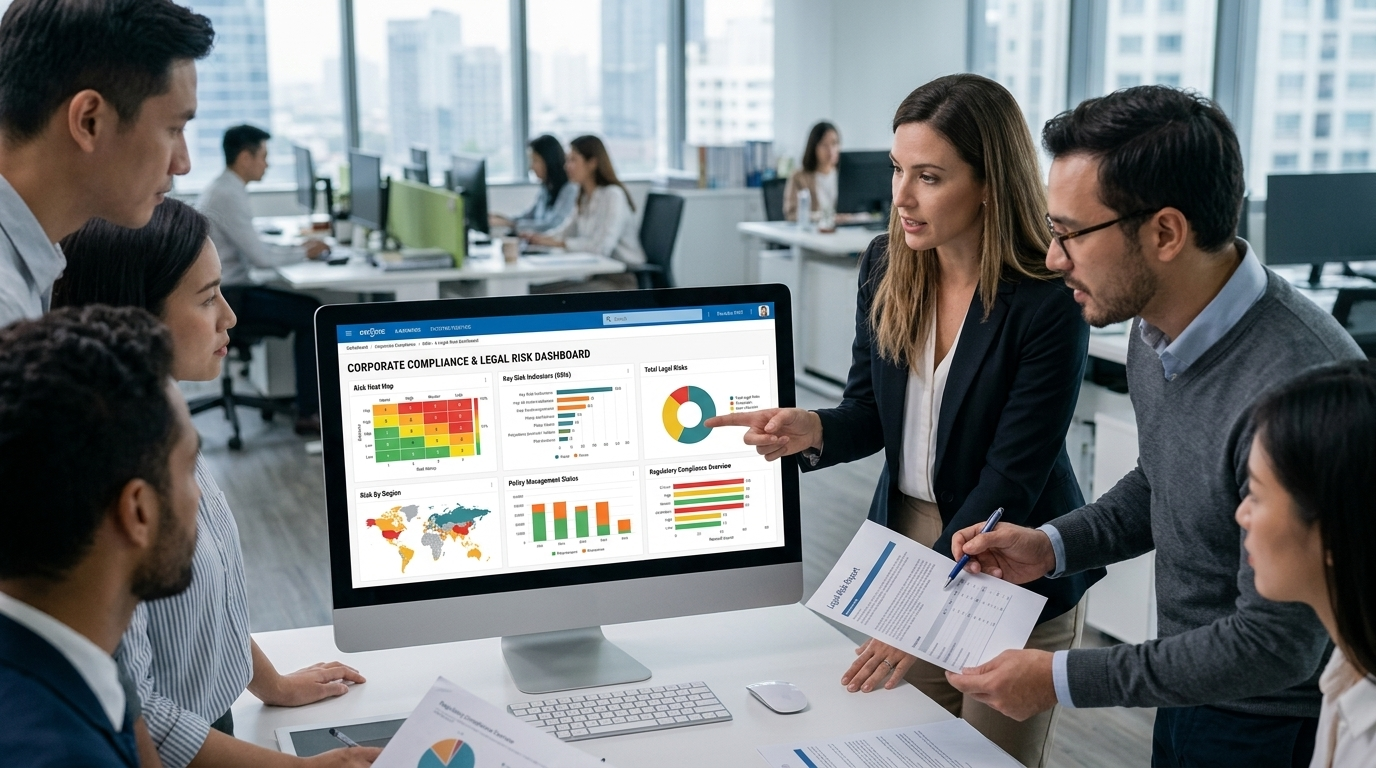
Analytics and reporting tools are also crucial. HR leaders can generate workforce reports, analyze employee trends, and make data-driven decisions about talent management.
Security is another key feature. HRMS platforms must include robust data protection measures to ensure that sensitive employee information remains secure.
By implementing an HRMS platform with these features, organizations can improve efficiency, enhance employee satisfaction, and build stronger HR operations.