HR Consulting Trends Shaping the Future of Workforce Strategy
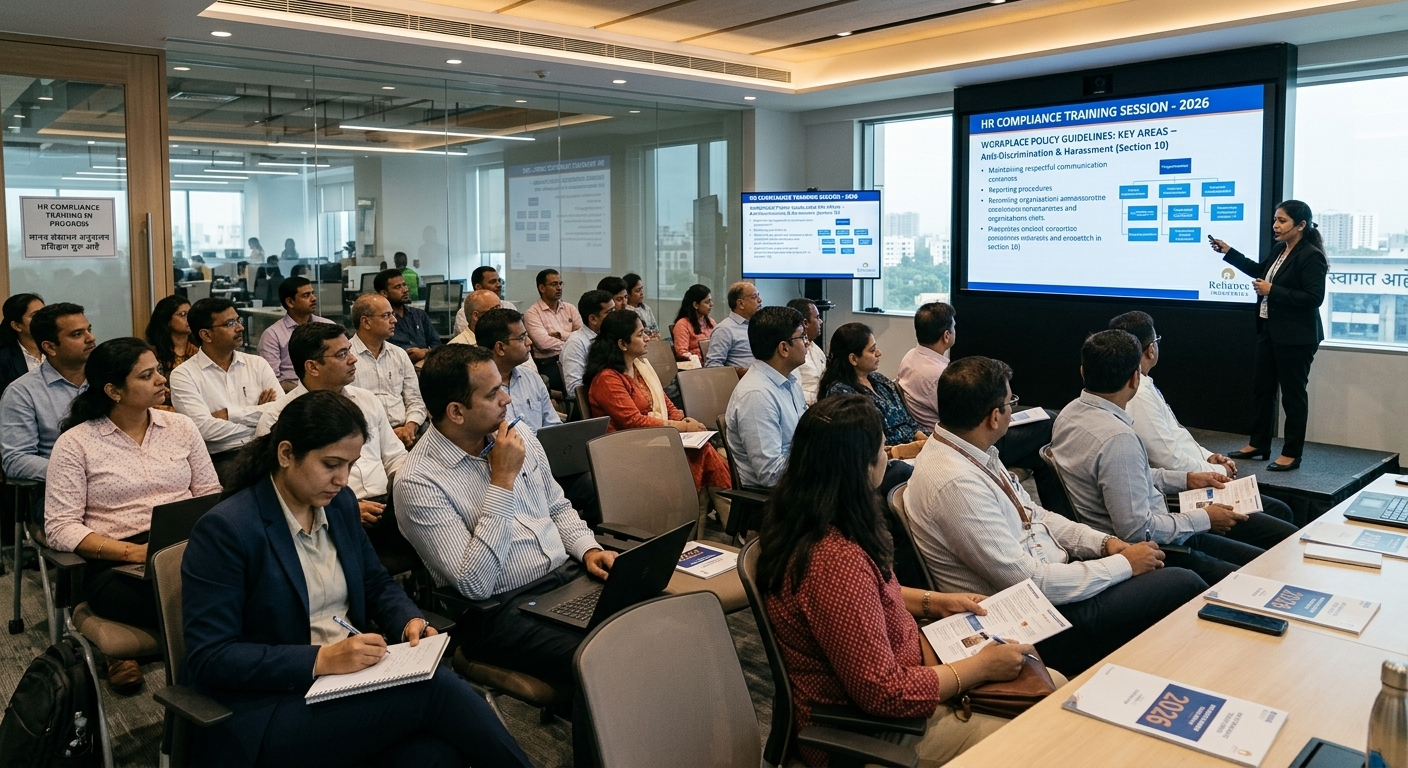
Human resource consulting has evolved significantly in recent years as organizations face new challenges related to talent management, digital transformation, and changing workforce expectations. Modern HR consulting services are no longer limited to traditional HR advisory roles; they now focus on strategic workforce planning, technology integration, and data-driven decision-making. As businesses adapt to evolving workplace dynamics, several HR consulting trends are shaping the future of workforce strategy.
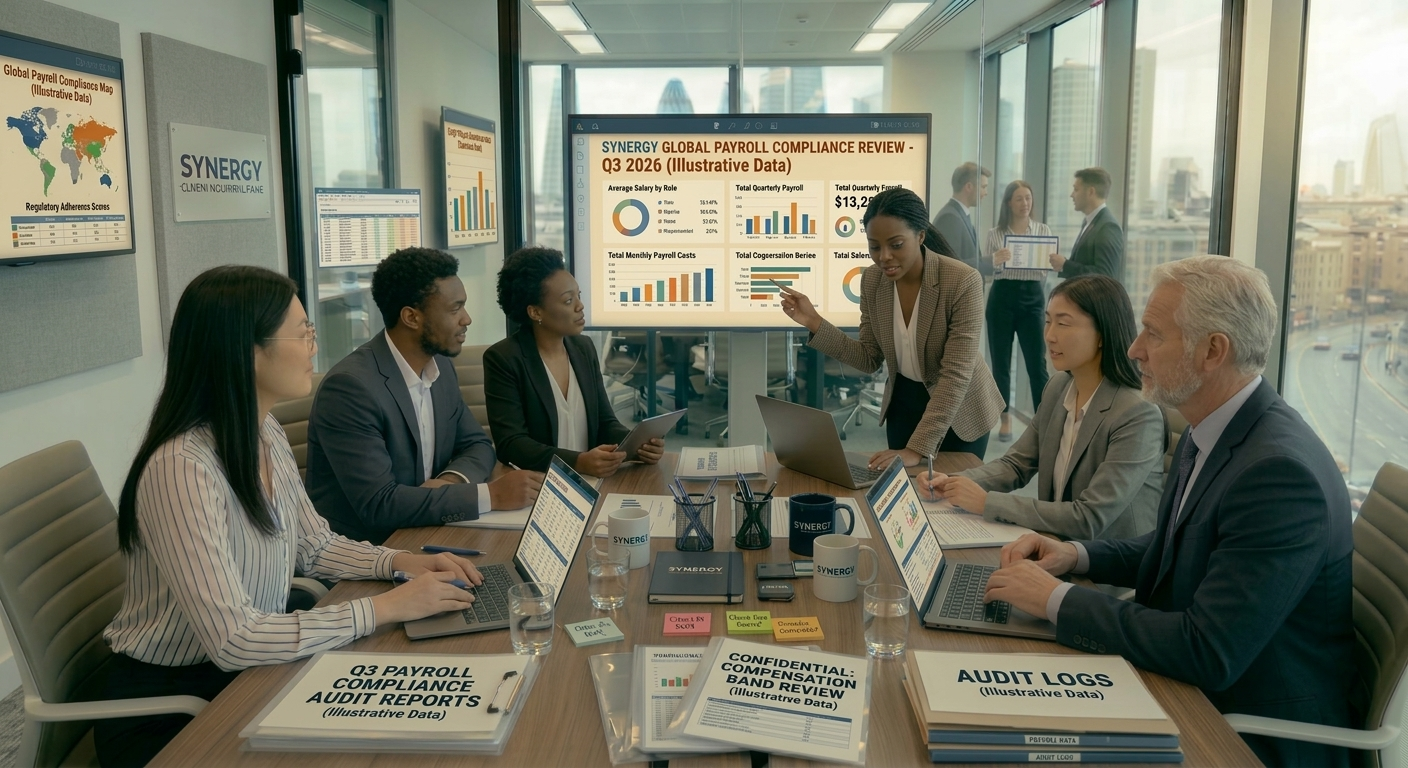
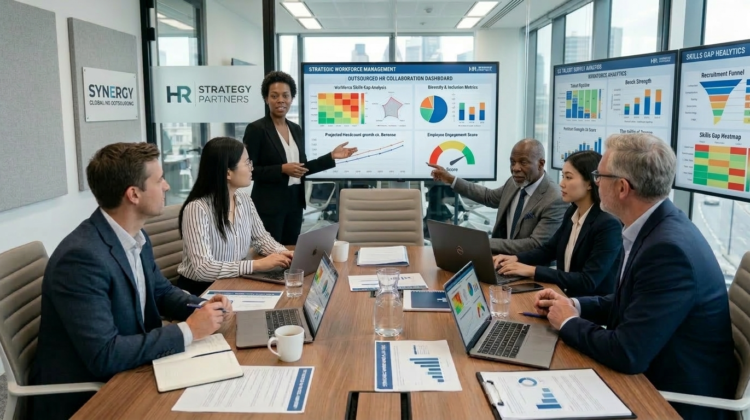
One of the most important trends in HR consulting is the growing use of data analytics. HR consultants now rely on workforce data and predictive analytics to help organizations make informed decisions about recruitment, employee engagement, and performance management. By analyzing employee data, consultants can identify patterns related to turnover, productivity, and workforce satisfaction. These insights allow organizations to implement targeted strategies that improve employee retention and overall business performance.
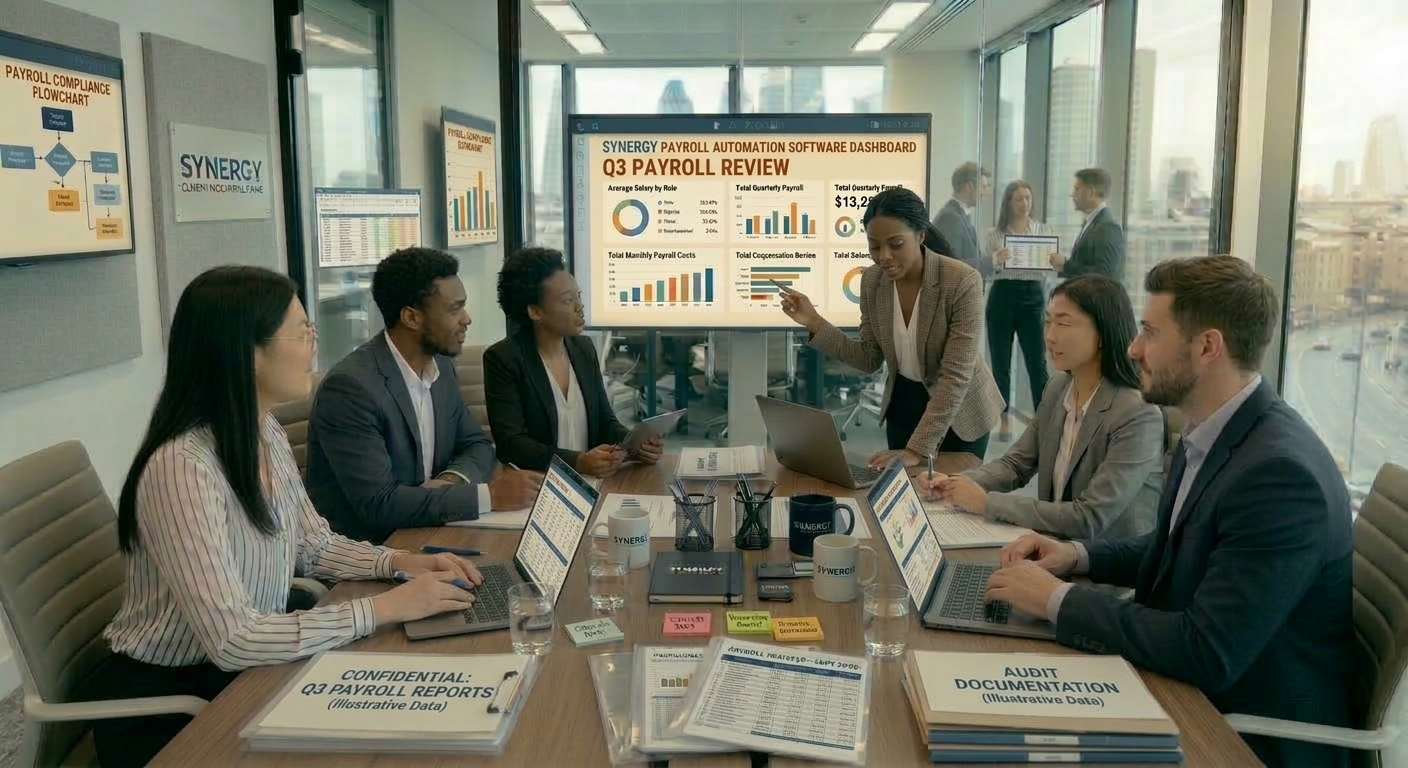
Another significant trend is the integration of artificial intelligence and automation in HR processes. HR consultants are helping organizations adopt intelligent HR technologies that automate routine tasks such as resume screening, candidate communication, payroll processing, and performance tracking. Automation reduces administrative workload while improving accuracy and efficiency in HR operations.
Remote and hybrid work models have also influenced HR consulting strategies. The shift toward flexible work environments requires organizations to rethink workforce management practices. HR consultants assist businesses in designing policies and strategies that support remote collaboration, employee engagement, and digital workplace productivity. They also help organizations create leadership frameworks that effectively manage distributed teams.
Employee experience has become a key focus area in modern HR consulting. Companies are increasingly prioritizing workplace culture, employee well-being, and career development opportunities. HR consultants work closely with leadership teams to design programs that enhance employee engagement, improve workplace communication, and create a positive organizational culture.
Another emerging trend is strategic talent development. Organizations are recognizing the importance of continuous learning and leadership development. HR consultants help companies design training programs, mentorship initiatives, and succession planning strategies that prepare employees for future leadership roles. These initiatives ensure that organizations maintain a strong talent pipeline and remain competitive in their industries.
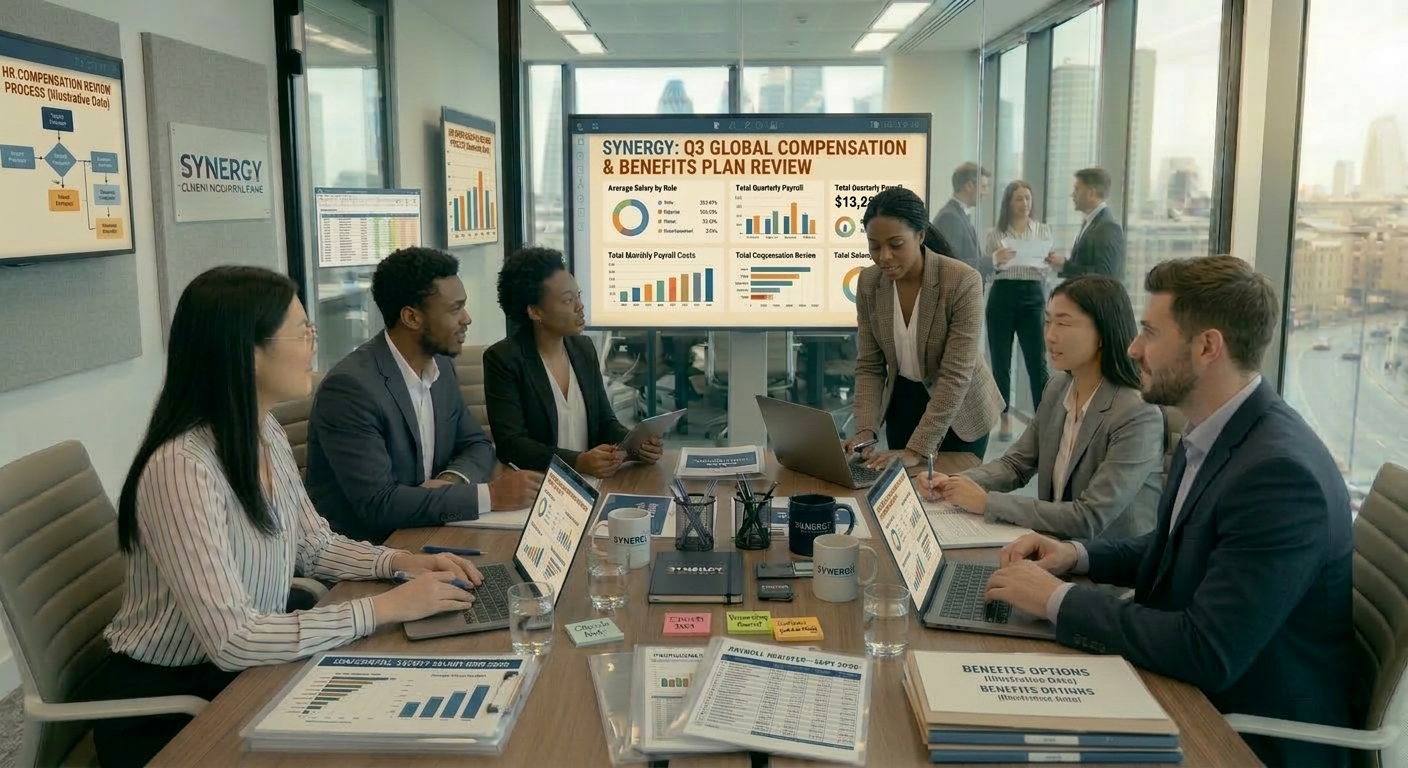
Technology adoption is also transforming HR consulting services. Many consultants now guide organizations in selecting and implementing HR software platforms such as Human Resource Information Systems (HRIS), Human Capital Management (HCM) solutions, and workforce analytics tools. These technologies enable organizations to streamline HR operations and gain real-time insights into workforce performance.
In conclusion, HR consulting is evolving to address the complex challenges faced by modern organizations. With the growing importance of data analytics, artificial intelligence, employee experience, and digital workplace strategies, HR consultants play a crucial role in shaping effective workforce management practices. Organizations that embrace these consulting trends will be better equipped to build agile, innovative, and resilient workforces for the future.