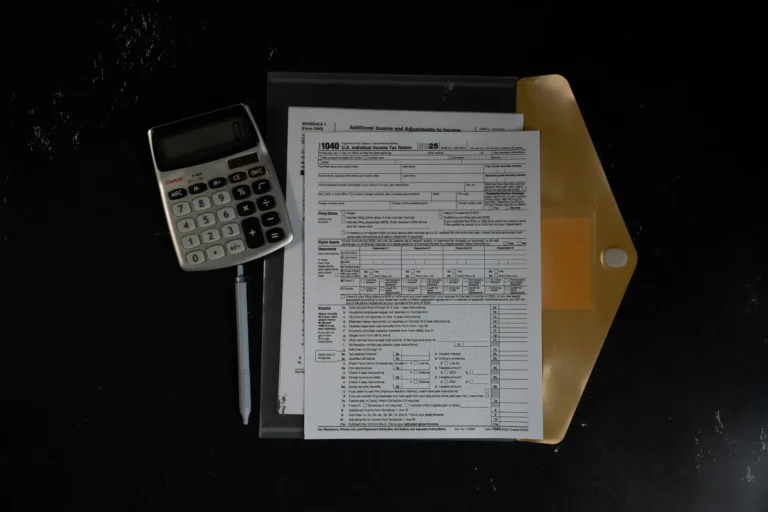
Payroll automation is most valuable when it removes repeated entry and catches problems early enough to fix them. It should give payroll more control over the pay run, not ask the team to trust a process it can no longer inspect.
Automate the repetition, not the approval
If approved overtime moves directly from time recording into payroll, the team may avoid copying the same figures. But somebody still needs to resolve missing approvals, unusual hours, and changes after cutoff. Decide how those cases appear before switching on the connection.
Before automating the pay calculation, test how time and attendance software handles missing entries, approvals, and corrections.
Try a duplicate submission and a corrected timesheet. Check whether the system recognizes the update or creates a second payment instruction. Test a failure close to cutoff too. The ordinary demonstration often looks easy because every record has already been prepared to work.
Find the repeatable work
Map the cycle from approved employee changes to calculation, review, payment, and reporting. Identify repeated copying, manual checks that follow a stable rule, and handoffs that regularly miss a cutoff.
Prioritize tasks where the input and expected result can be tested. Keep decisions requiring interpretation or unusual judgment with the appropriate specialists.
Separate calculation from authorization
Software may calculate an amount, but the organization still needs clear authority to approve the inputs and release the result. Preserve separation of responsibilities where your control design requires it.
The IRS employment tax guidance is a reference for US employment tax topics. Payroll requirements and responsibilities depend on jurisdiction and circumstances, so automation should implement an approved process rather than invent one.
Design the exception route first
- Missing or invalid employee information.
- Late changes after the normal cutoff.
- Duplicate transactions or repeated files.
- Unusual pay movements requiring investigation.
- Failed connections or unavailable services.
Every exception needs a visible status, an owner, and a way to resolve it. Avoid a design that reports success while silently excluding problematic records.
Test with representative payroll cases
Include starters, leavers, variable pay, retroactive changes, and corrections. Reconcile expected and actual results. Use controlled test data and agree which differences must be resolved before deployment.
When integrating systems, test repeated submissions and recovery after failure. The payroll integration guide explains why a successful transfer is not proof of correct pay.
Measure the net improvement
Compare total processing effort, including review and correction. Track errors, missed cutoffs, and employee queries as well as time saved. A faster calculation is less valuable if the team spends longer repairing exceptions.
Record whether released time becomes useful capacity or an actual cost reduction. Avoid claiming financial savings simply by multiplying minutes by salary when staffing costs have not changed.
Review the automation after policy, system, or workforce changes. Use the payroll operating process as the anchor and the outsourcing checklist if a provider is involved. The practical goal is less repetitive work with stronger visibility, not a payroll cycle nobody needs to supervise.
Count the work that remains
Suppose a process saves six hours of entry each cycle but creates four hours of checking and correction. The net gain is two hours, before considering setup and maintenance. Those example figures give the team a better basis for a decision than a claim that entry has been “fully automated.”
Track recurring exceptions and fix the source where possible. If managers repeatedly submit the wrong code, changing the form may help more than adding a sophisticated rule downstream. Good automation reduces both effort and avoidable errors; it should not simply move the burden to a less visible part of the payroll team’s day.
Updated October 4, 2026.