How HR Analytics is Transforming Workforce Decision-Making
HR analytics has become one of the most powerful tools for modern organizations seeking to improve workforce management and business performance. By analyzing employee data and workplace trends, HR teams can make informed decisions that enhance productivity, reduce employee turnover, and improve overall organizational efficiency.
Traditionally, HR decisions were often based on intuition and manual data analysis. However, the rise of advanced analytics platforms has transformed HR into a data-driven function. HR analytics tools allow organizations to collect and analyze large volumes of employee data, including performance metrics, engagement levels, attendance records, and recruitment outcomes.
One of the most valuable applications of HR analytics is workforce planning. Companies can analyze historical hiring data, employee turnover patterns, and industry trends to predict future workforce needs. This enables HR teams to develop proactive recruitment strategies and ensure that organizations always have the right talent available.
Another important benefit of HR analytics is its ability to improve employee retention. By examining factors such as job satisfaction, career progression, and compensation trends, HR leaders can identify the reasons employees leave organizations. With this insight, companies can implement targeted strategies to improve employee engagement and retention.
HR analytics also enhances performance management. Managers can track employee productivity, set measurable goals, and evaluate performance using objective data rather than subjective assessments. This creates a more transparent and fair evaluation process for employees.
Additionally, HR analytics supports diversity and inclusion initiatives. Organizations can analyze hiring practices, promotion trends, and compensation data to ensure equal opportunities for all employees. Data-driven insights help companies create more inclusive workplaces where talent is recognized regardless of background.
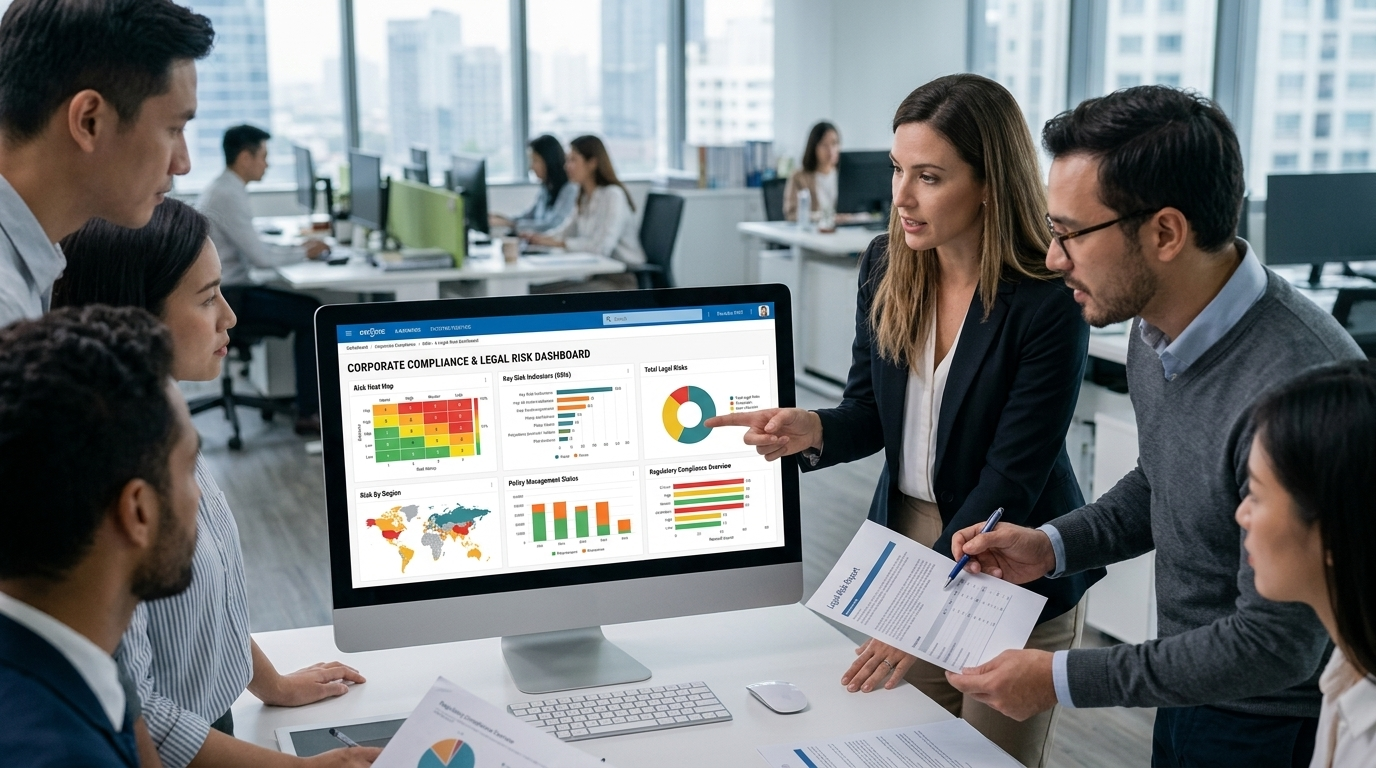
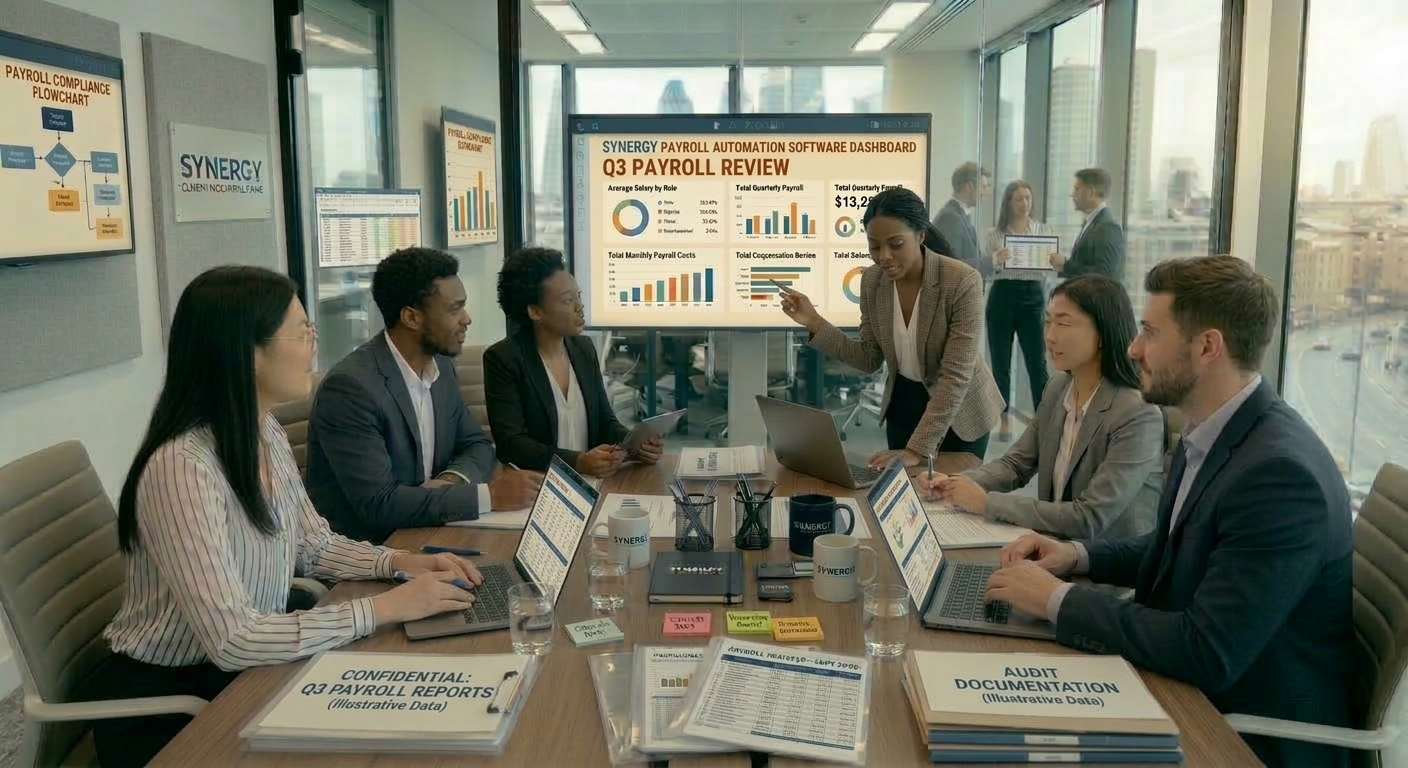
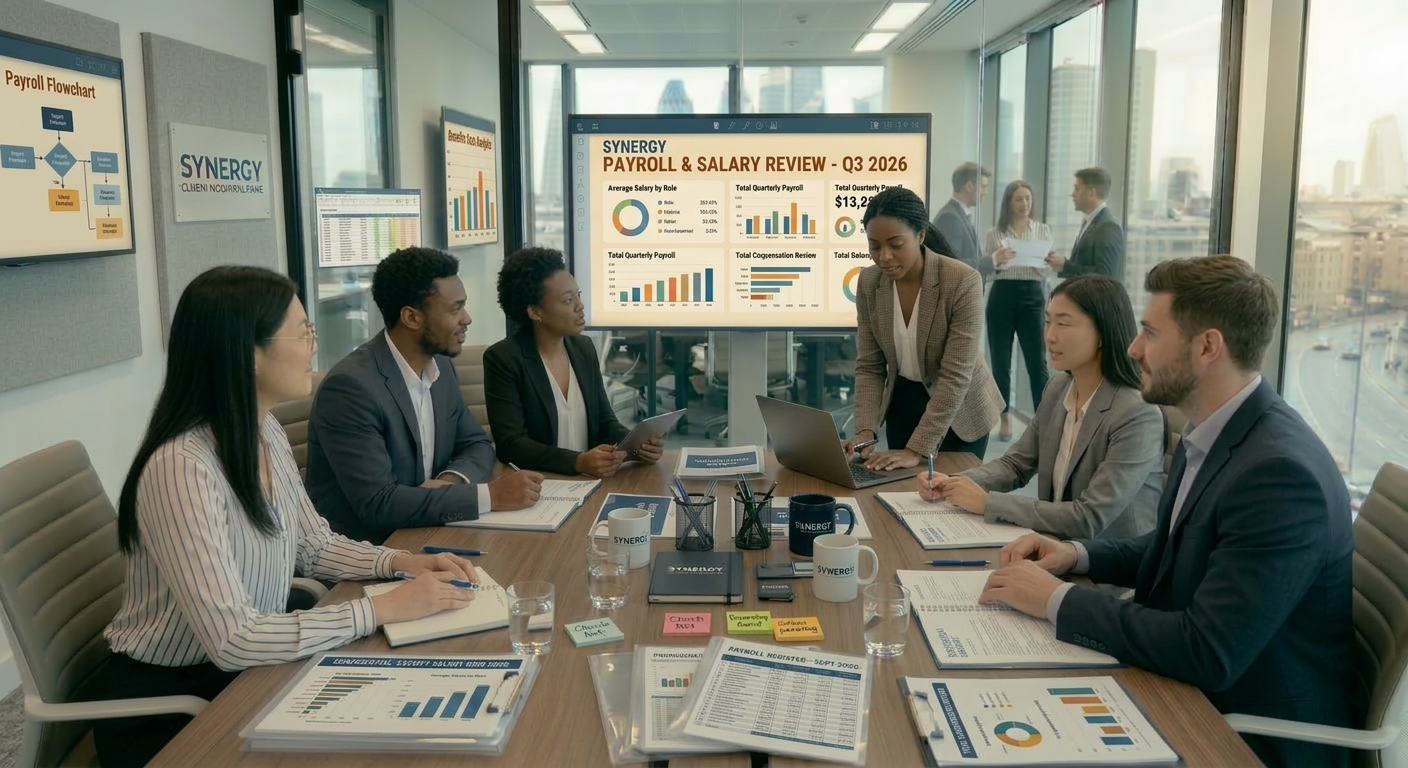
Another emerging trend in HR analytics is real-time dashboards and reporting tools. These platforms provide HR leaders with instant access to workforce data and key performance indicators. By monitoring these metrics, organizations can respond quickly to workplace challenges and make strategic decisions more efficiently.
As organizations continue to adopt digital transformation strategies, HR analytics will play an increasingly important role in shaping workforce strategies. Companies that embrace data-driven HR practices will gain a competitive advantage in attracting talent, improving employee engagement, and optimizing workforce performance.