The Role of Data Analytics in Modern Human Resource Management
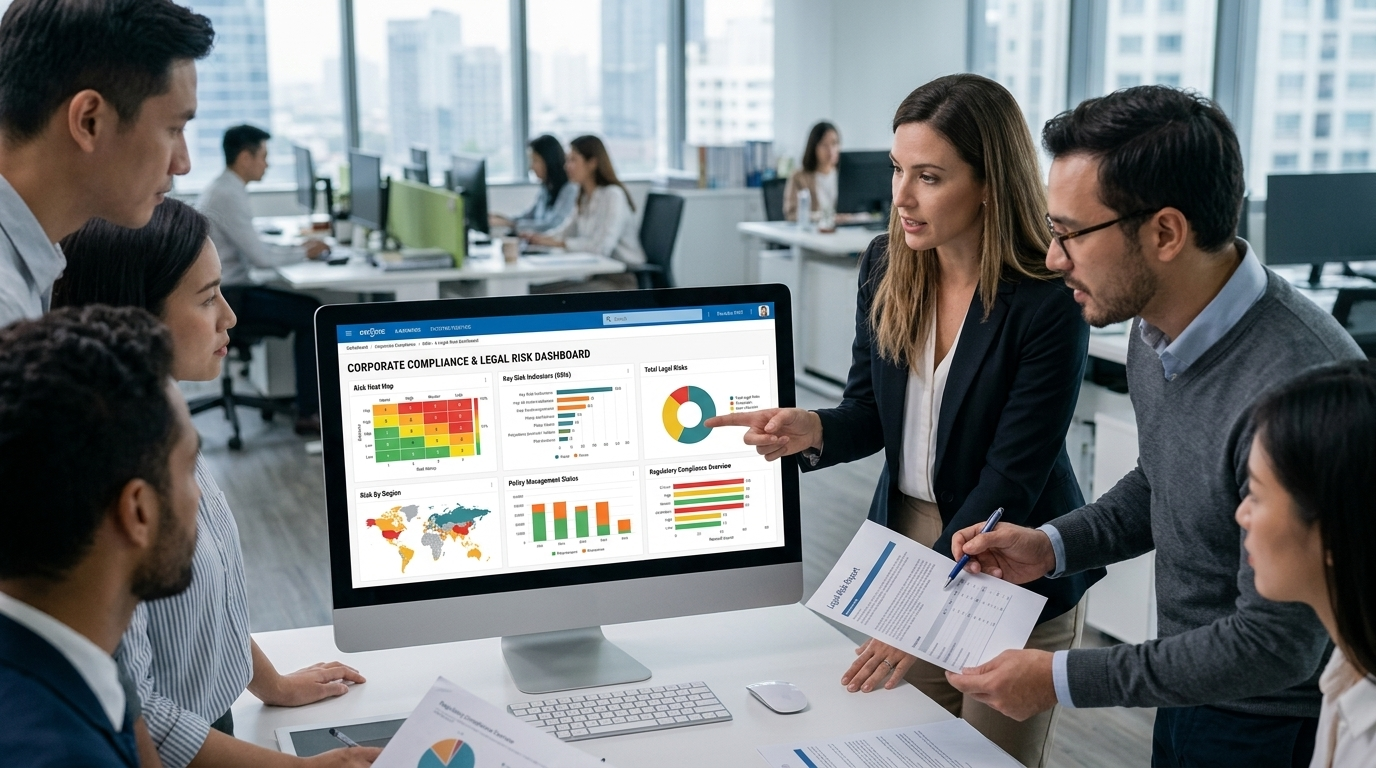
Data analytics has revolutionized many business functions, and human resource management is no exception. With the increasing availability of workforce data, organizations are now able to analyze employee performance, engagement, and productivity more effectively. HR analytics tools allow companies to turn raw data into valuable insights that drive strategic decision-making.
One of the primary benefits of HR analytics is improved recruitment efficiency. Companies can analyze recruitment data to determine which hiring channels produce the best candidates and which interview techniques are most effective. By understanding these patterns, organizations can refine their hiring strategies and attract top talent more successfully.
Employee engagement is another area where analytics plays a critical role. HR teams can analyze employee feedback surveys, communication patterns, and workplace activity data to measure engagement levels. These insights help organizations identify areas where employee satisfaction may be declining and take corrective actions before problems escalate.
Performance analytics also helps managers track employee progress and identify opportunities for improvement. By analyzing performance data, organizations can identify high-performing employees, recognize their contributions, and provide targeted development opportunities. This not only improves productivity but also motivates employees to achieve their full potential.
Learning and development programs can also be optimized using analytics. HR teams can evaluate training effectiveness by measuring employee skill development and performance improvements after training sessions. These insights help organizations design more effective training programs and allocate resources efficiently.
Predictive analytics is another powerful feature of modern HR systems. By analyzing workforce data trends, organizations can predict potential issues such as employee turnover or skill shortages. This enables HR leaders to take proactive measures to address these challenges before they impact business performance.
Furthermore, data analytics improves transparency and accountability within HR operations. Organizations can track key metrics such as recruitment costs, training expenses, and employee productivity, ensuring that HR initiatives align with business objectives.
As the workplace continues to evolve, data analytics will become an essential tool for HR professionals. Companies that leverage analytics effectively will be better equipped to manage their workforce, improve employee experiences, and achieve long-term business success.