The Role of HR Analytics in Data-Driven Workforce Decisions
HR analytics has become one of the most valuable tools for organizations seeking to improve workforce management and business performance. By analyzing employee data, companies can identify patterns, predict trends, and make informed decisions about hiring, employee engagement, and retention.
HR analytics involves collecting and interpreting data related to workforce activities such as employee performance, turnover rates, training participation, and recruitment effectiveness. These insights help HR teams understand how workforce dynamics impact organizational outcomes.
One of the most important benefits of HR analytics is better recruitment strategies. By analyzing previous hiring data, organizations can identify which recruitment channels produce the most successful candidates. This allows companies to optimize their hiring processes and reduce recruitment costs.
HR analytics also helps organizations improve employee retention. By analyzing employee engagement surveys, performance reviews, and turnover data, HR professionals can identify factors that lead to employee dissatisfaction or resignation. Addressing these issues early can significantly improve retention rates.
Another key advantage of HR analytics is performance management. Managers can use data to track employee productivity, evaluate team performance, and identify areas where additional training may be required.
Workforce planning is another area where HR analytics plays a crucial role. By forecasting future workforce needs based on business growth and industry trends, companies can ensure they have the right talent available when needed.
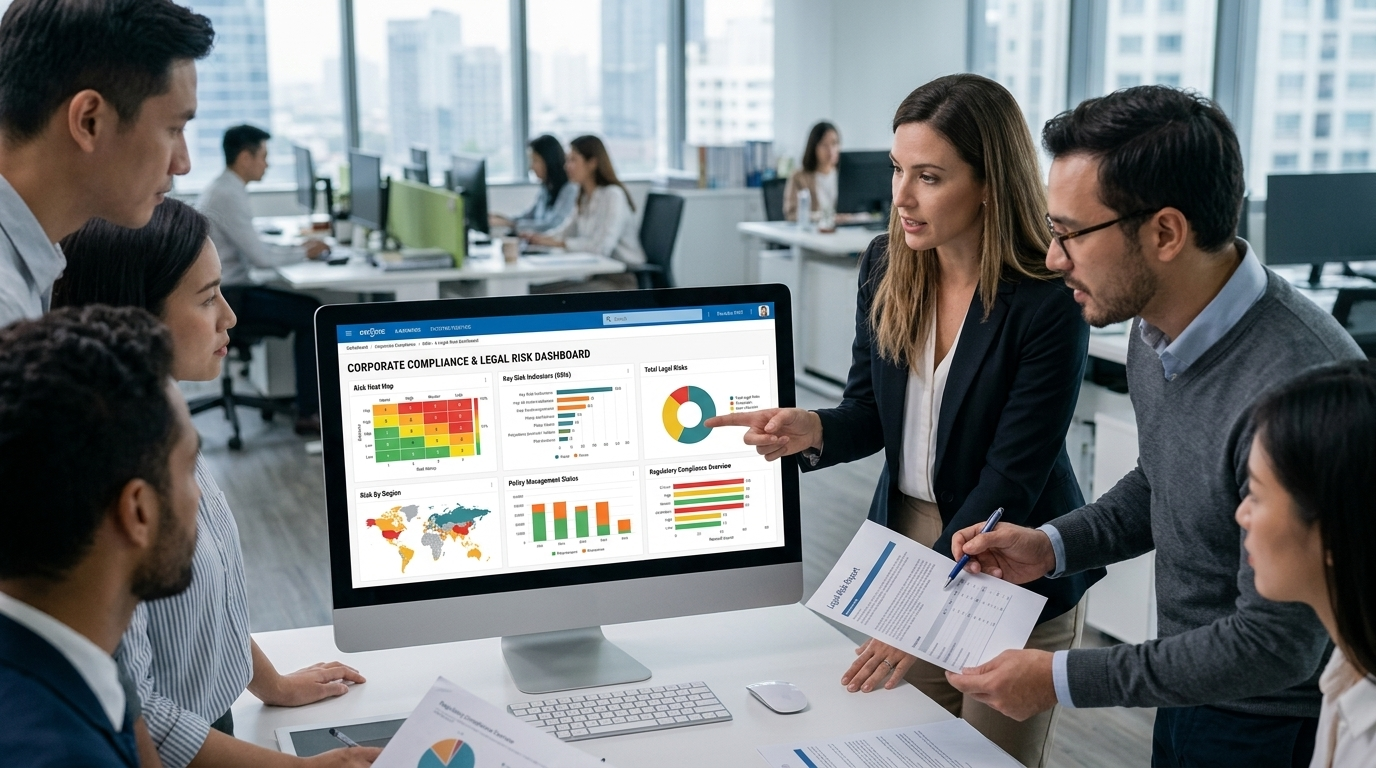
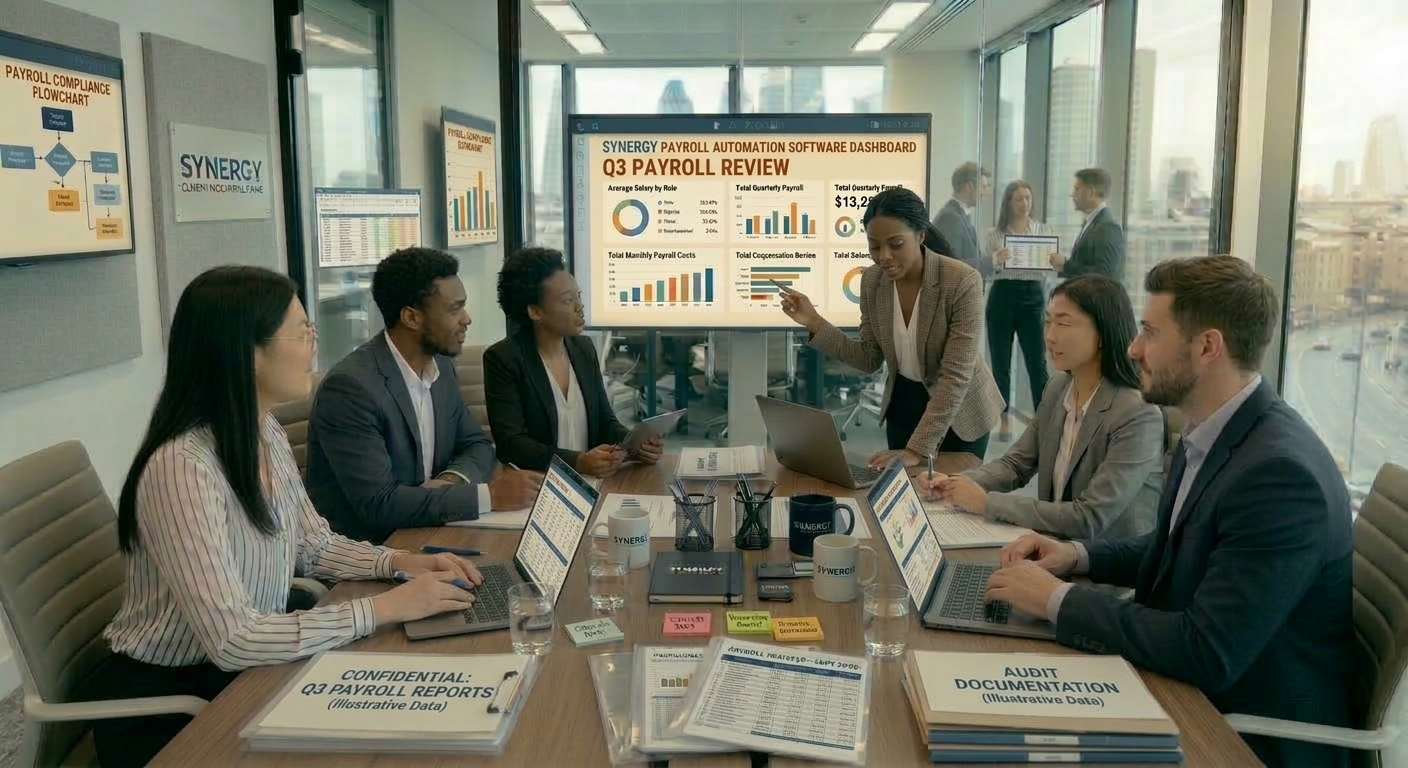
Modern HR analytics platforms often include dashboards and visualization tools that make complex data easier to understand. These visual insights allow executives and HR leaders to make strategic decisions quickly.
However, organizations must ensure that HR analytics is implemented responsibly. Data privacy and ethical considerations must be addressed to maintain employee trust.
As businesses continue to rely on data-driven strategies, HR analytics will become even more important in shaping workforce decisions. Organizations that effectively leverage HR analytics gain valuable insights that support smarter hiring, better employee engagement, and improved overall performance.