How Organizational Development Improves Employee Performance
Organizational development plays an essential role in improving employee performance and overall business productivity. Companies that invest in structured development programs create an environment where employees can enhance their skills, collaborate effectively, and contribute to organizational success. By focusing on workforce development and process improvement, organizations can achieve better performance outcomes.
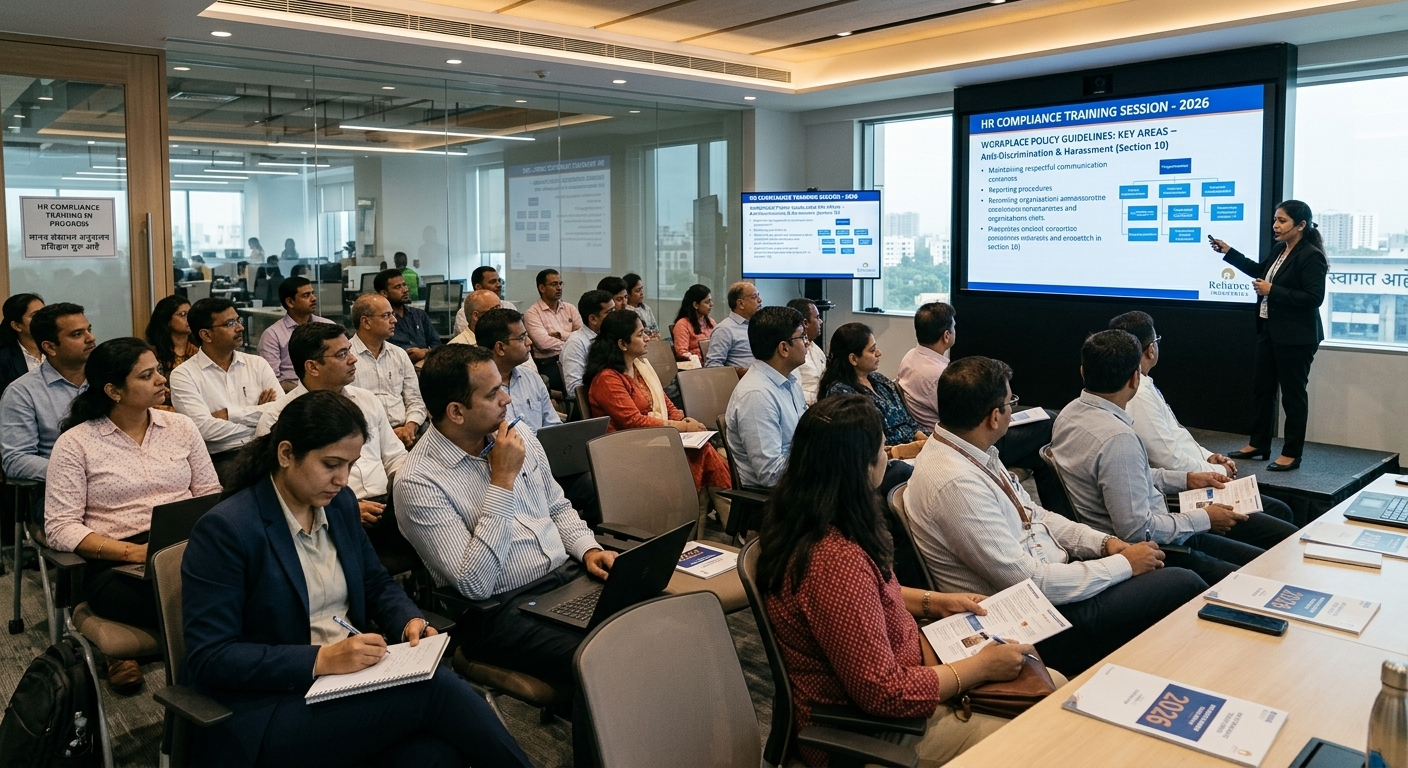
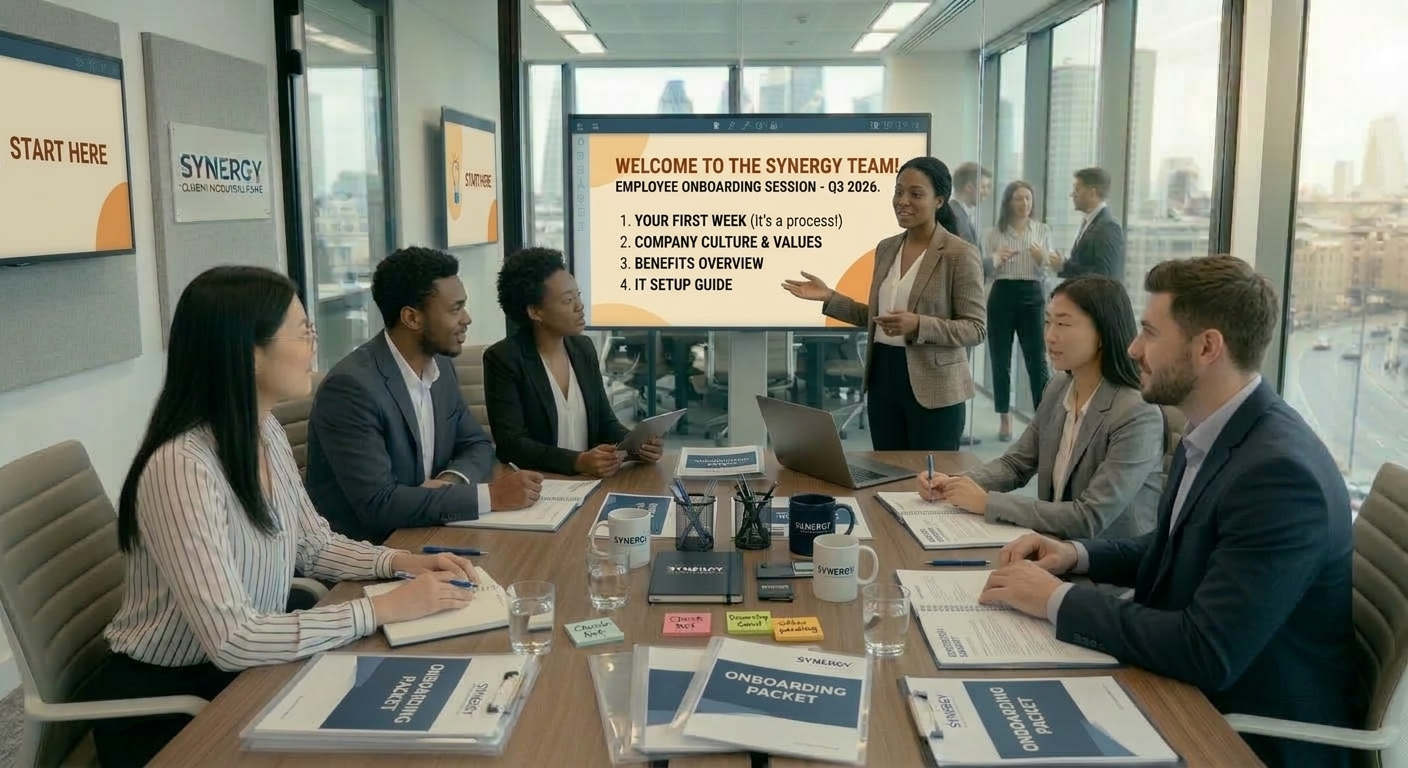
One of the key ways organizational development improves employee performance is through training and skill enhancement programs. Employees require continuous learning opportunities to stay updated with industry trends, technological advancements, and professional skills. Organizations that provide training workshops, online courses, and mentorship programs help employees improve their expertise and confidence.
Another important factor is the implementation of effective performance management systems. Organizational development initiatives often introduce performance evaluation frameworks that help employees understand expectations and track their progress. Regular performance reviews allow managers to provide constructive feedback, identify areas for improvement, and recognize employee achievements.
Employee engagement is also closely linked to organizational development. When employees feel valued and involved in decision-making processes, they are more motivated to perform well. Development programs that promote collaboration, recognition, and career growth opportunities increase employee satisfaction and productivity.
Organizational development also improves workplace communication. Clear communication between employees and management ensures that everyone understands organizational goals, responsibilities, and performance expectations. When communication flows smoothly, employees can work more efficiently and avoid misunderstandings that affect productivity.
Leadership development programs are another key element of organizational development. Effective leaders play a significant role in guiding teams, resolving conflicts, and motivating employees. By training managers and supervisors to become better leaders, organizations create a supportive environment where employees receive proper guidance and encouragement.
Workplace culture also influences employee performance. Organizational development initiatives focus on creating a positive work environment where employees feel respected, supported, and motivated. A healthy workplace culture encourages teamwork, innovation, and accountability among employees.
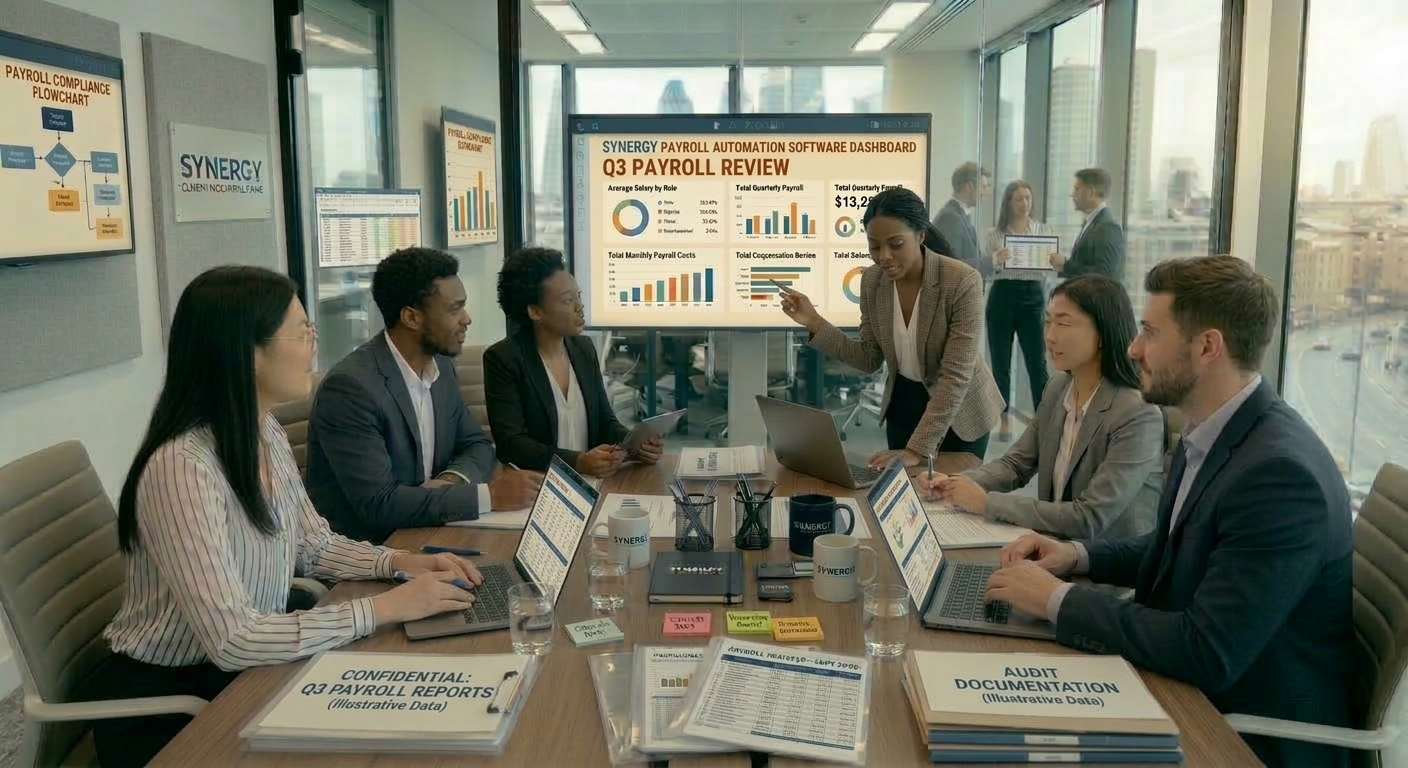
Technology integration has further enhanced organizational development strategies. HR technologies and workforce analytics tools allow organizations to monitor employee performance, track productivity metrics, and identify development needs. Data-driven insights help companies design targeted training programs that address specific skill gaps.
In conclusion, organizational development improves employee performance by providing training opportunities, strengthening leadership, promoting engagement, and enhancing communication. Organizations that invest in workforce development create a motivated and skilled workforce capable of driving long-term business success.