Key Strategies for Effective Organizational Development in Modern Companies
Organizational development is an essential strategy for companies aiming to enhance performance, strengthen workplace culture, and adapt to changing business environments. Effective organizational development strategies focus on improving internal processes, empowering employees, and aligning workforce efforts with long-term business goals. By implementing structured development initiatives, organizations can create sustainable growth and improve overall efficiency.
One of the most important strategies for organizational development is strengthening leadership capabilities. Leaders play a vital role in shaping organizational culture and guiding teams toward success. Organizations invest in leadership development programs that help managers improve communication, decision-making, and team management skills. Effective leaders inspire employees, encourage collaboration, and create a work environment that supports innovation.
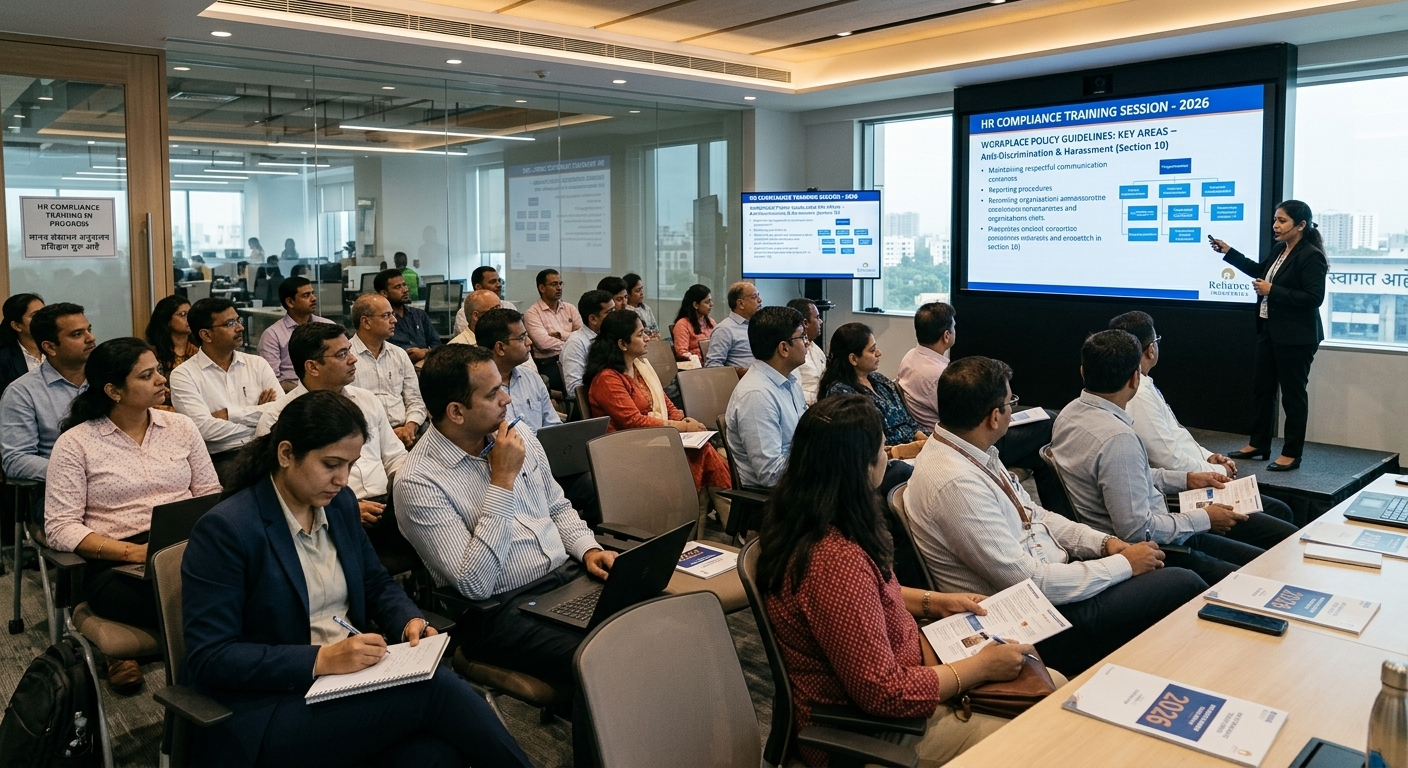
Employee training and skill development are also crucial components of successful organizational development strategies. Continuous learning helps employees stay updated with industry trends, technological advancements, and professional skills required in their roles. Organizations that invest in training programs often experience higher employee productivity, improved job satisfaction, and better talent retention.
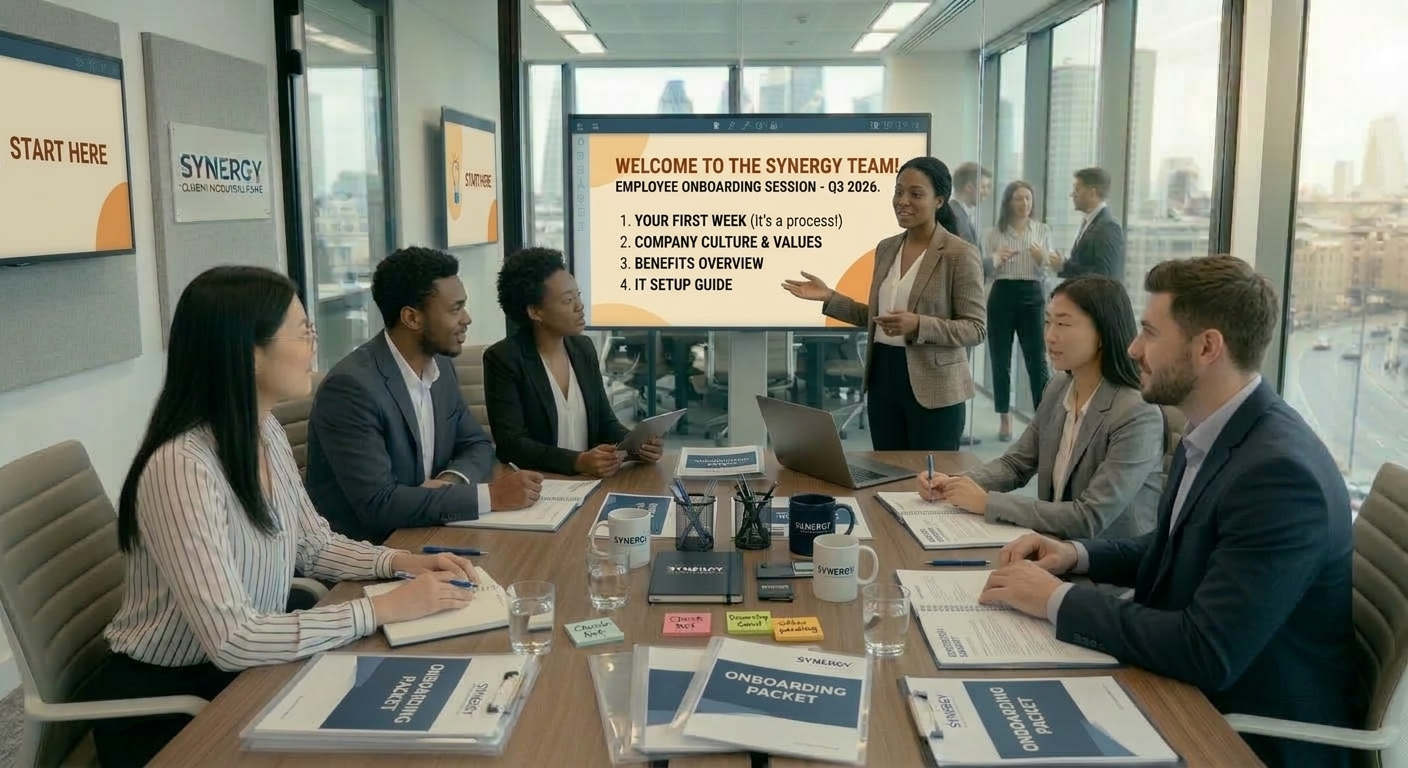
Another key strategy is promoting effective communication across all levels of the organization. Transparent communication builds trust between employees and management, ensuring that everyone understands organizational goals and expectations. Regular meetings, feedback systems, and digital communication tools can help organizations maintain open channels of communication.
Employee engagement is another important factor that contributes to successful organizational development. Engaged employees are more motivated, productive, and committed to their work. Organizations implement engagement initiatives such as recognition programs, career development opportunities, and collaborative work environments to strengthen employee involvement.
Change management is also an important strategy within organizational development. As companies evolve and adopt new technologies or processes, employees may face uncertainty and resistance. Effective change management strategies involve clear communication, employee participation, and supportive leadership that guides employees through transitions.
Performance management systems also support organizational development efforts. These systems help organizations evaluate employee performance, set measurable goals, and provide constructive feedback. By monitoring performance metrics, companies can identify areas for improvement and design development programs that enhance employee capabilities.
Technology integration has further enhanced organizational development strategies. Modern HR software and analytics tools allow organizations to track workforce performance, analyze employee engagement levels, and implement data-driven development initiatives. These insights enable organizations to design more effective training programs and workforce strategies.
In conclusion, organizational development strategies play a vital role in helping businesses build strong teams, improve leadership capabilities, and enhance workplace productivity. By focusing on leadership development, employee training, communication, and performance management, organizations can create a dynamic work environment that supports innovation and long-term growth.