Best Practices for Successful Employee Onboarding
Successful employee onboarding is essential for ensuring that new hires integrate smoothly into an organization and begin contributing effectively. A well-designed onboarding program helps employees understand their roles, connect with colleagues, and align with organizational values.
One of the most important onboarding practices is preparing before the employee’s first day. HR teams should ensure that workstations, system access, and necessary documentation are ready in advance. This preparation helps create a positive first impression and allows employees to begin their roles without unnecessary delays.
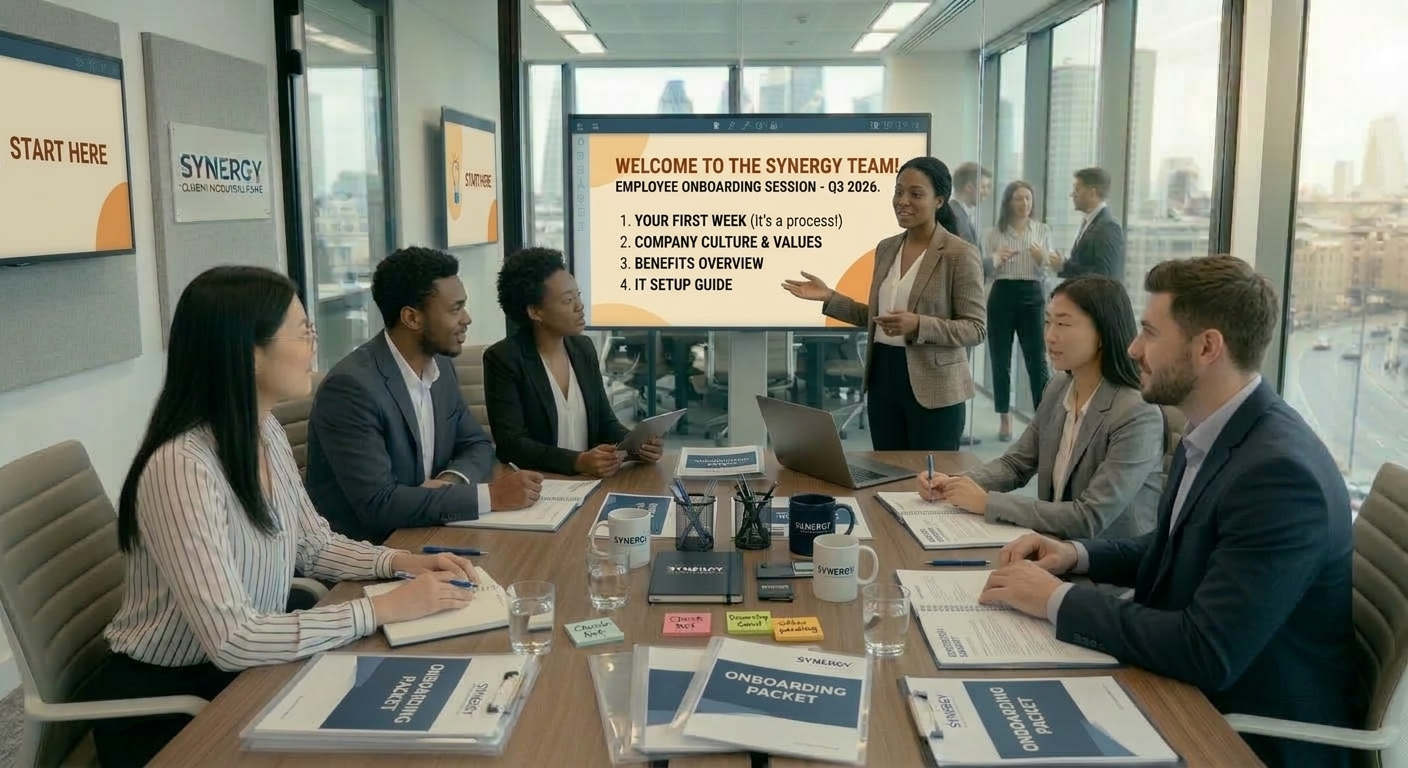
Providing a structured orientation program is another important practice. Orientation sessions introduce employees to company policies, workplace culture, organizational structure, and key processes. These sessions help employees understand how the organization operates and what is expected from them.
Assigning mentors or onboarding buddies can significantly improve the onboarding experience. Experienced employees who guide new hires help them navigate workplace systems, understand team dynamics, and build relationships within the organization.
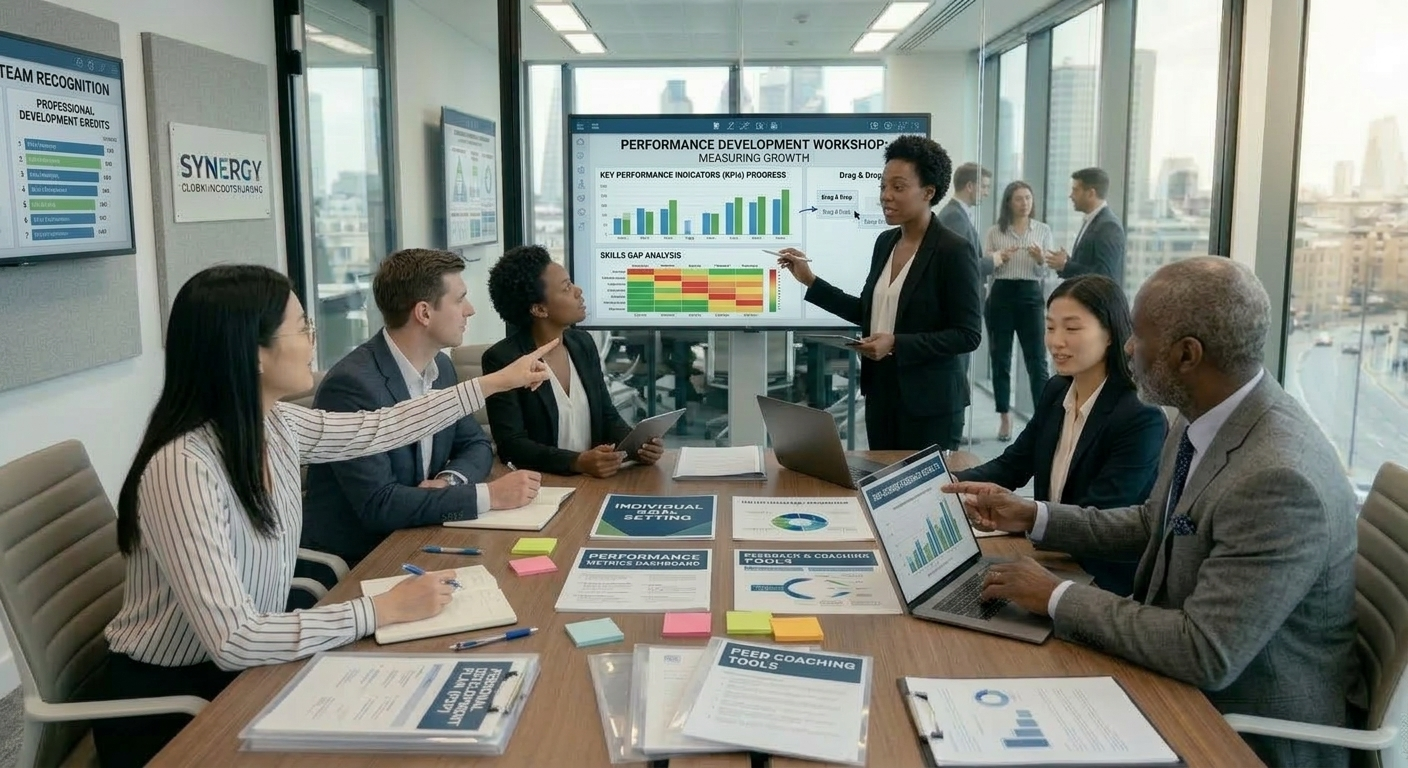
Training programs should also be included as part of onboarding. Employees must receive the necessary knowledge and skills required for their roles. Training sessions may include technical skills development, workplace communication practices, and compliance training.
Regular communication between managers and new employees is another best practice. Managers should schedule check-in meetings to review progress, provide feedback, and address any challenges employees may face during their initial months.
Encouraging team interaction also improves onboarding success. Social activities, team meetings, and collaborative projects help new employees build relationships and feel more comfortable in the workplace.
Organizations should also gather feedback from new employees about their onboarding experience. Feedback surveys help HR teams identify areas for improvement and refine onboarding programs for future hires.
Technology can further enhance onboarding efficiency. Digital onboarding platforms allow employees to complete documentation, access training materials, and communicate with HR teams through centralized systems.
In conclusion, successful onboarding requires preparation, training, communication, and continuous support. Organizations that invest in structured onboarding programs create confident employees who are ready to contribute to organizational success.